
Bringing Design Leadership Beyond Singapore
Bringing design experience into an international conversation
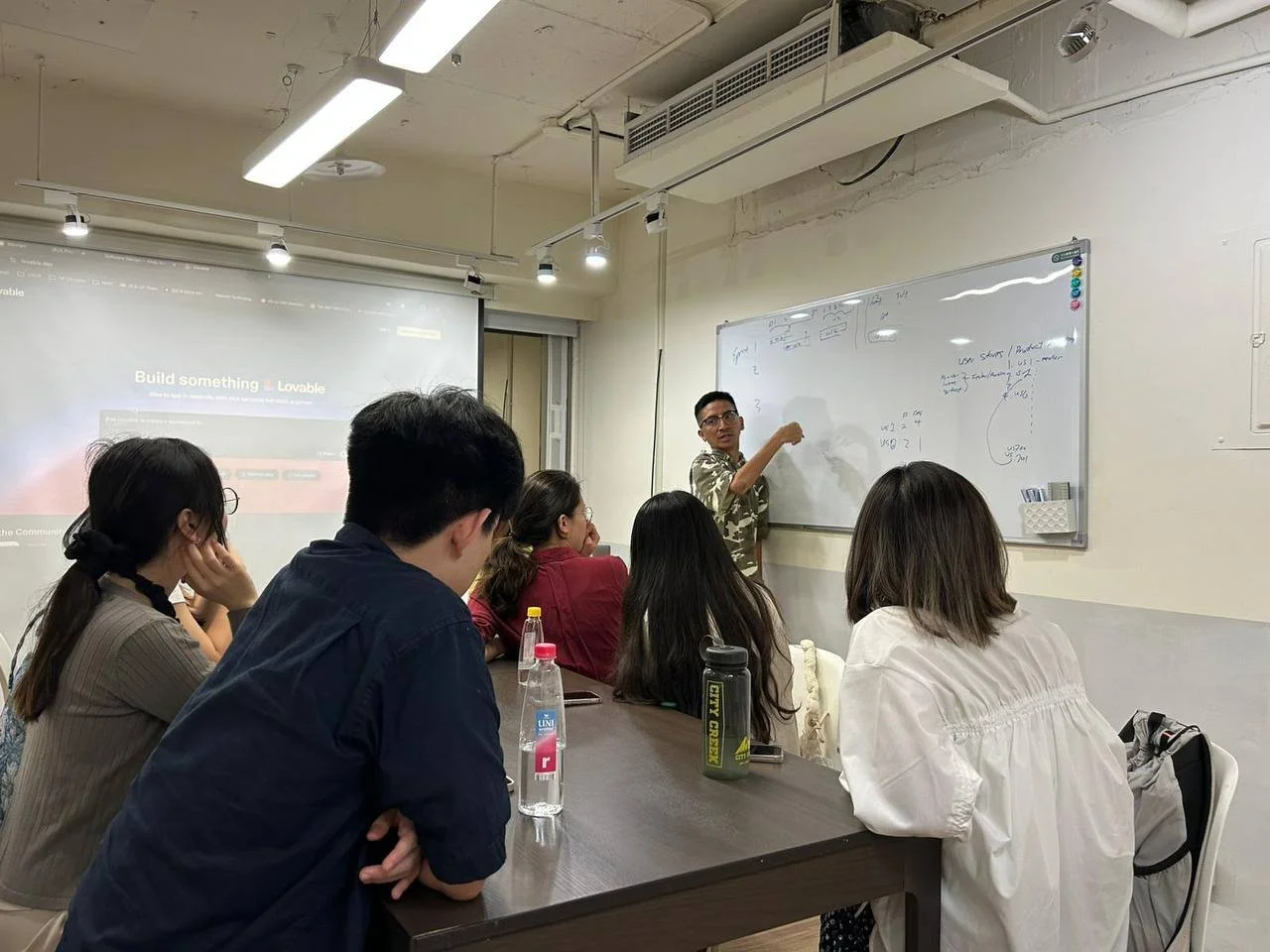
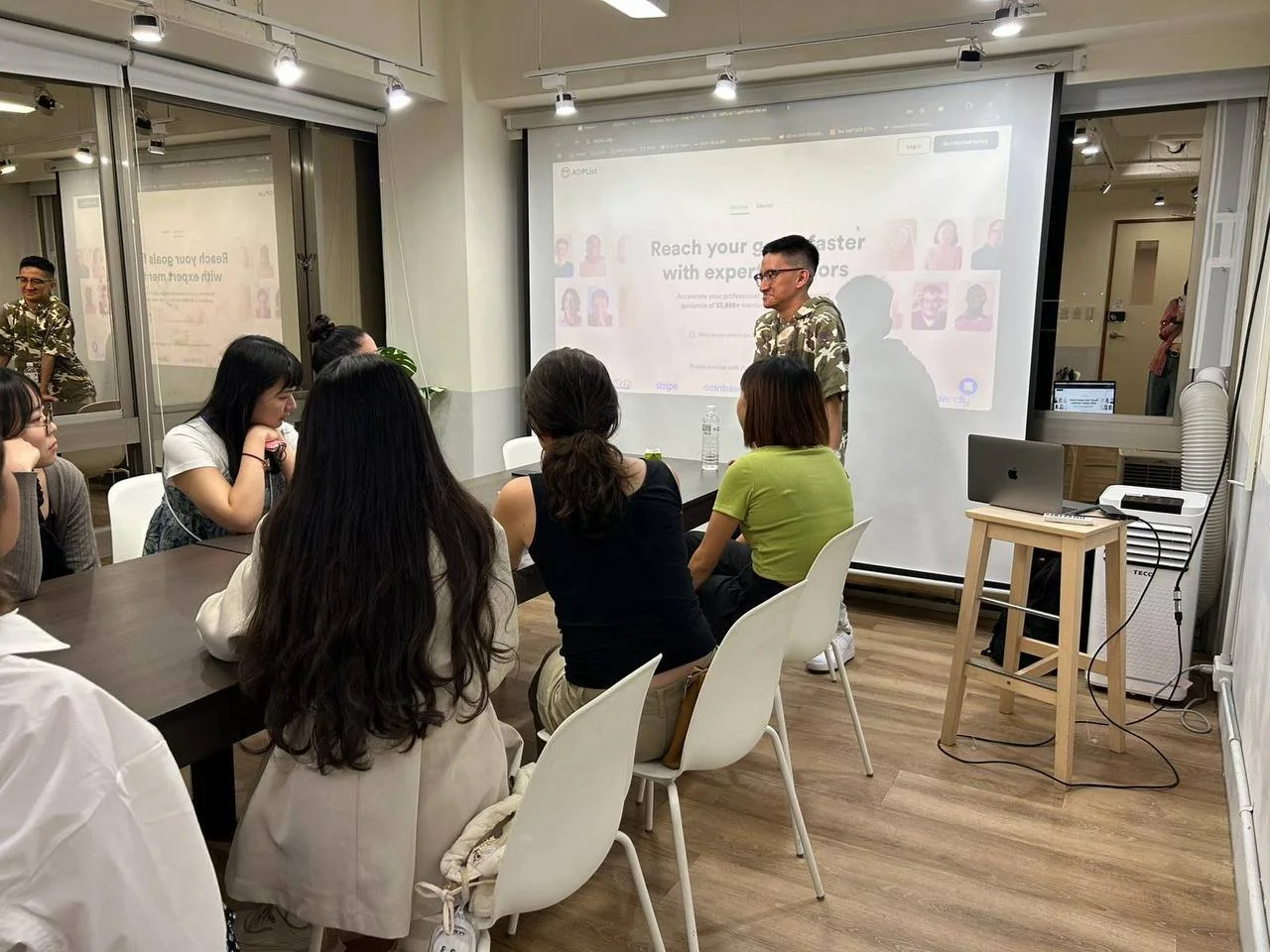
Design leadership isn’t limited to the organisation, industry or country we work in. One opportunity that challenged me to look beyond my familiar design landscape was a sharing session I delivered in Taiwan, where I exchanged perspectives with local product designers and product managers.
Through my involvement with ADPList, I connected with Chofi Chang, a product community builder in Taiwan. What started as a professional connection eventually led to an opportunity to bring together a small group of Taiwanese product designers and product managers for a conversation around something I had become increasingly curious about:
Why do products designed for different cultures look and behave so differently?
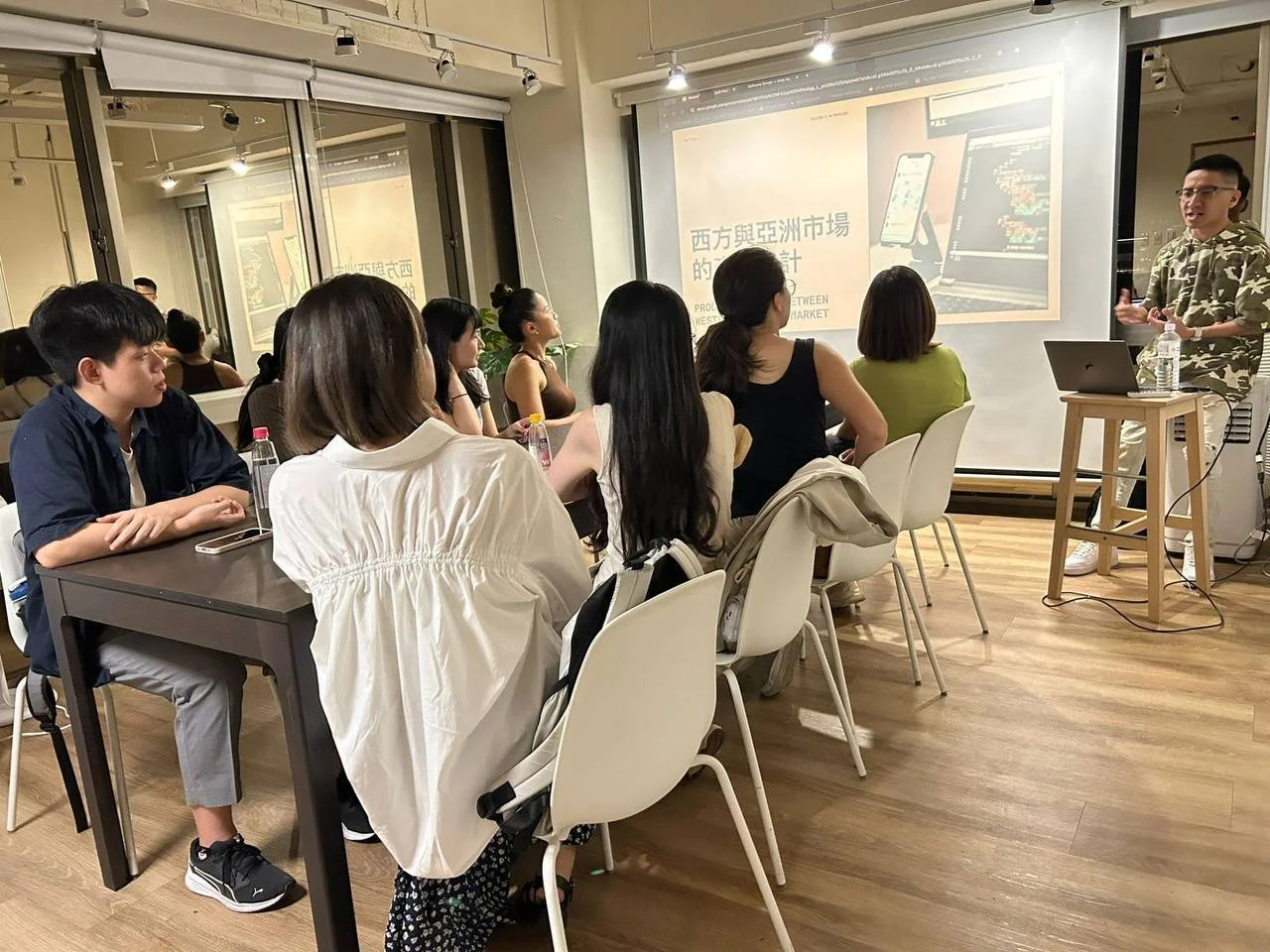
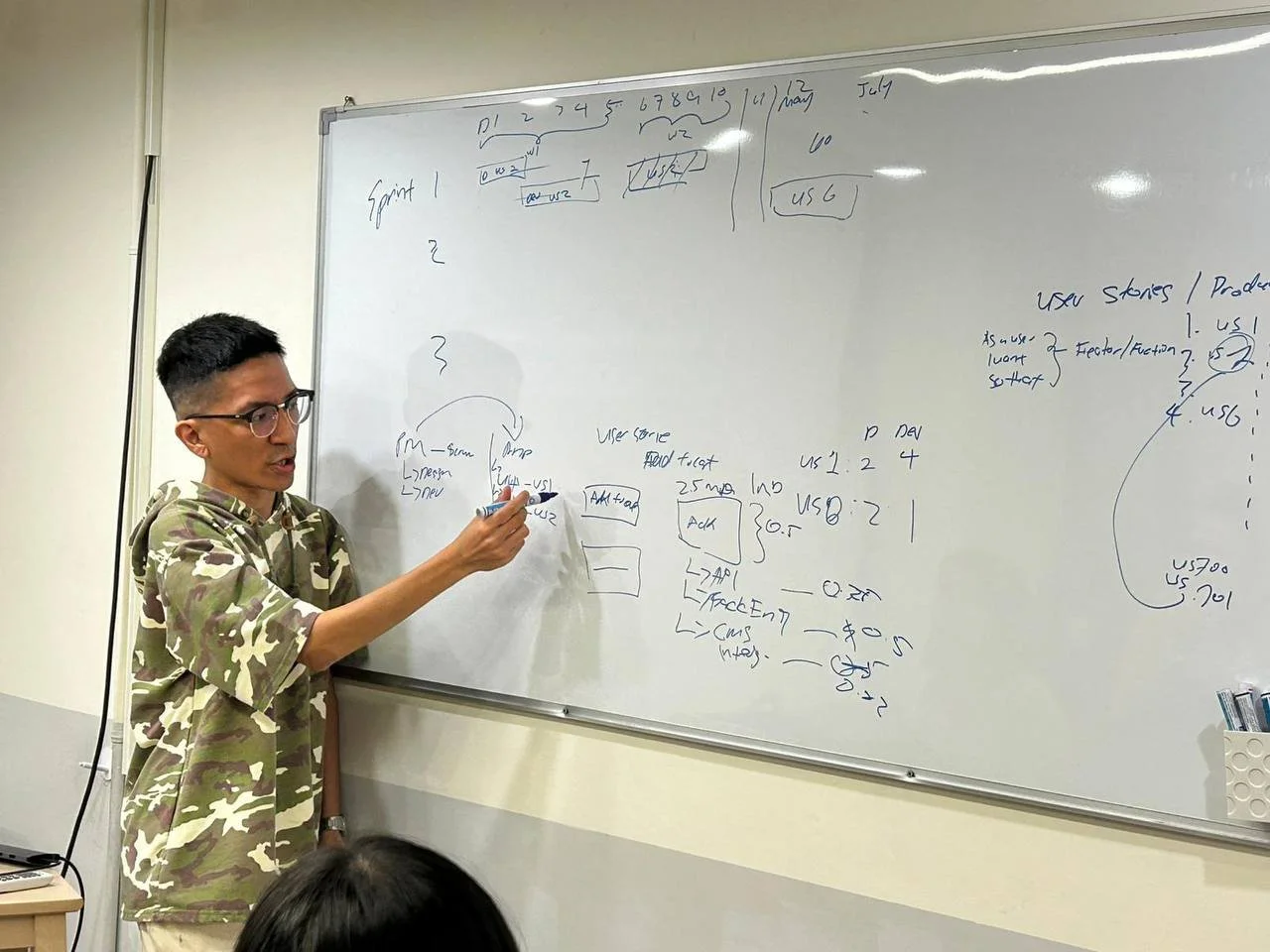
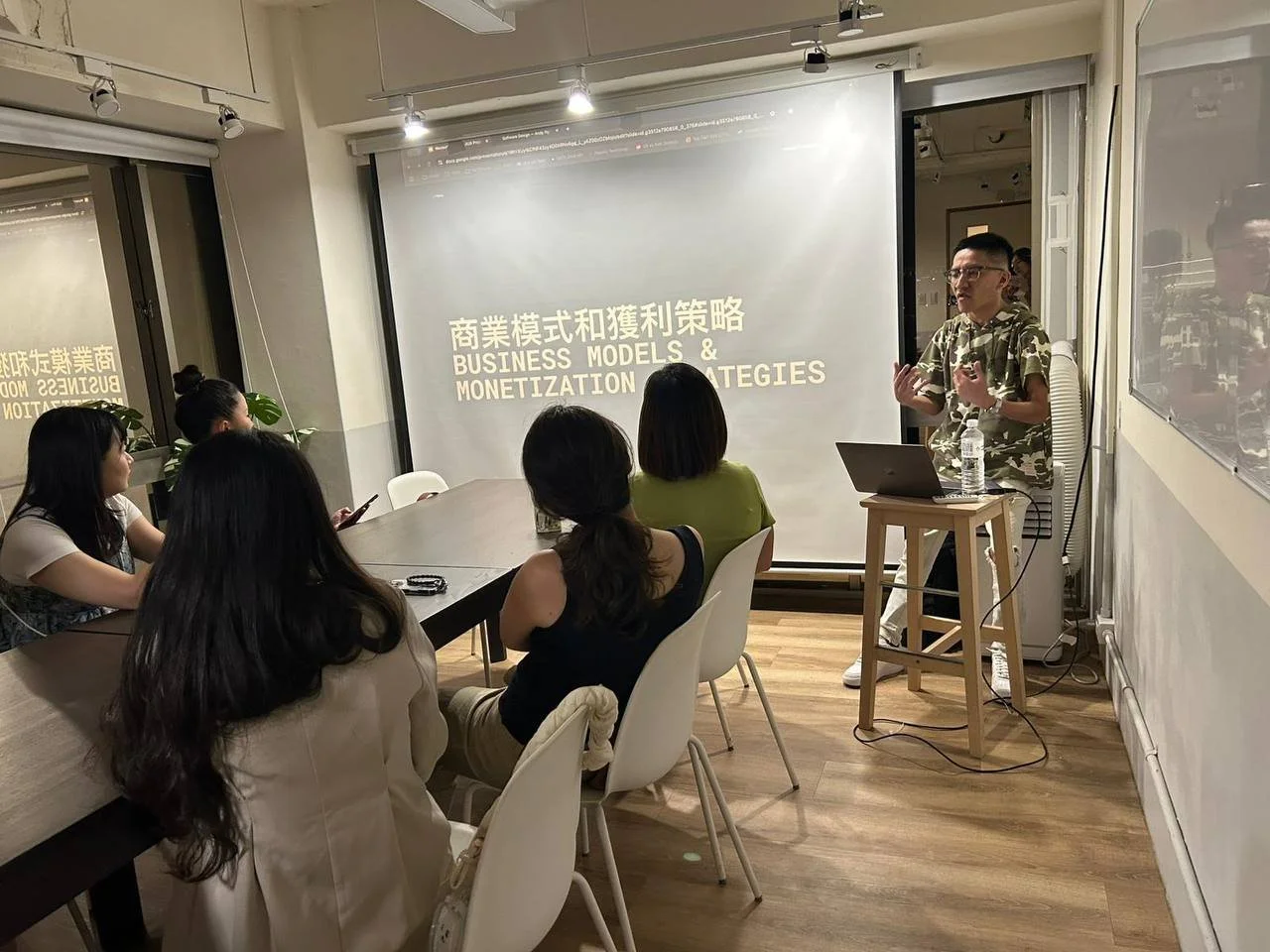
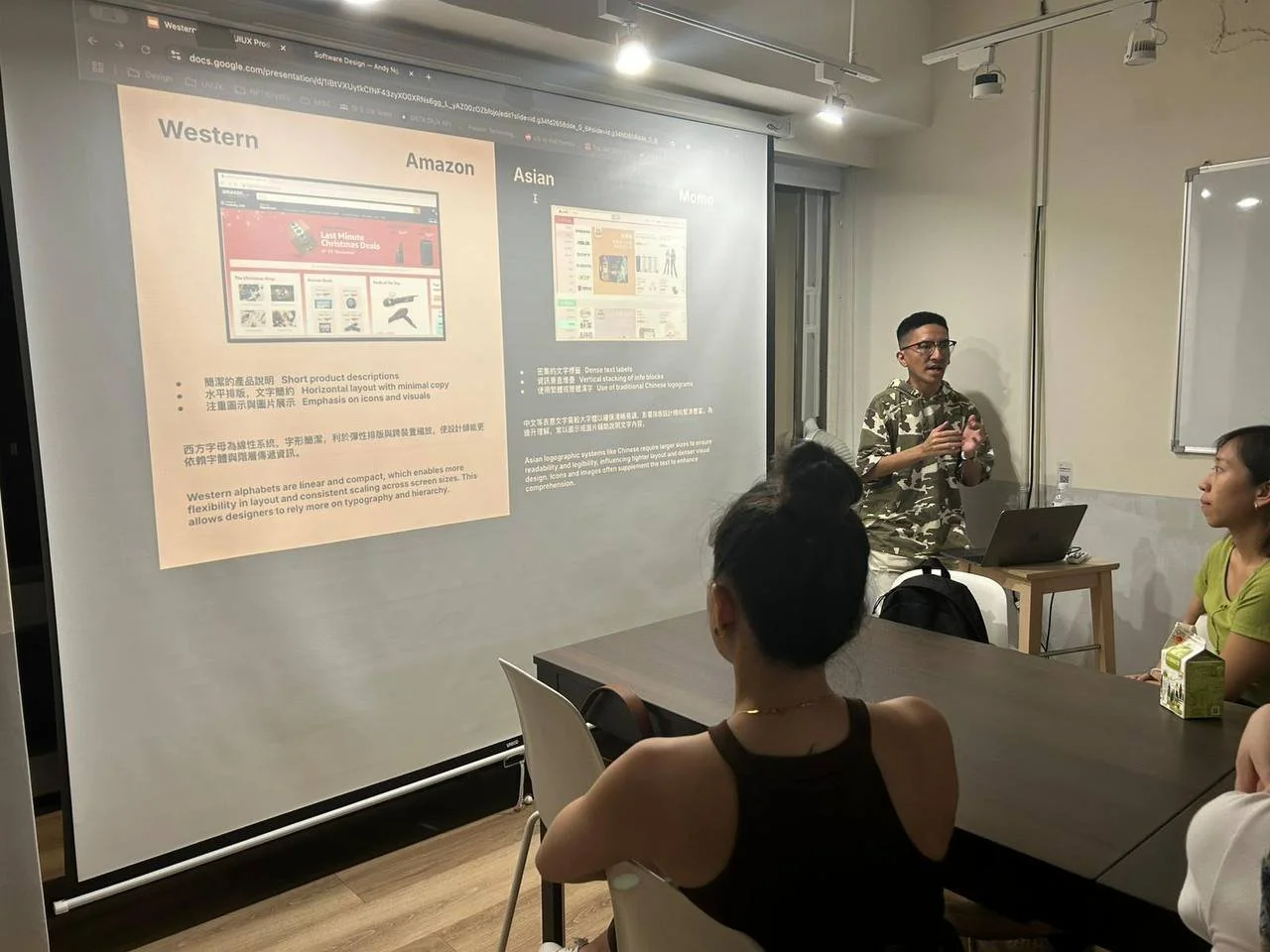
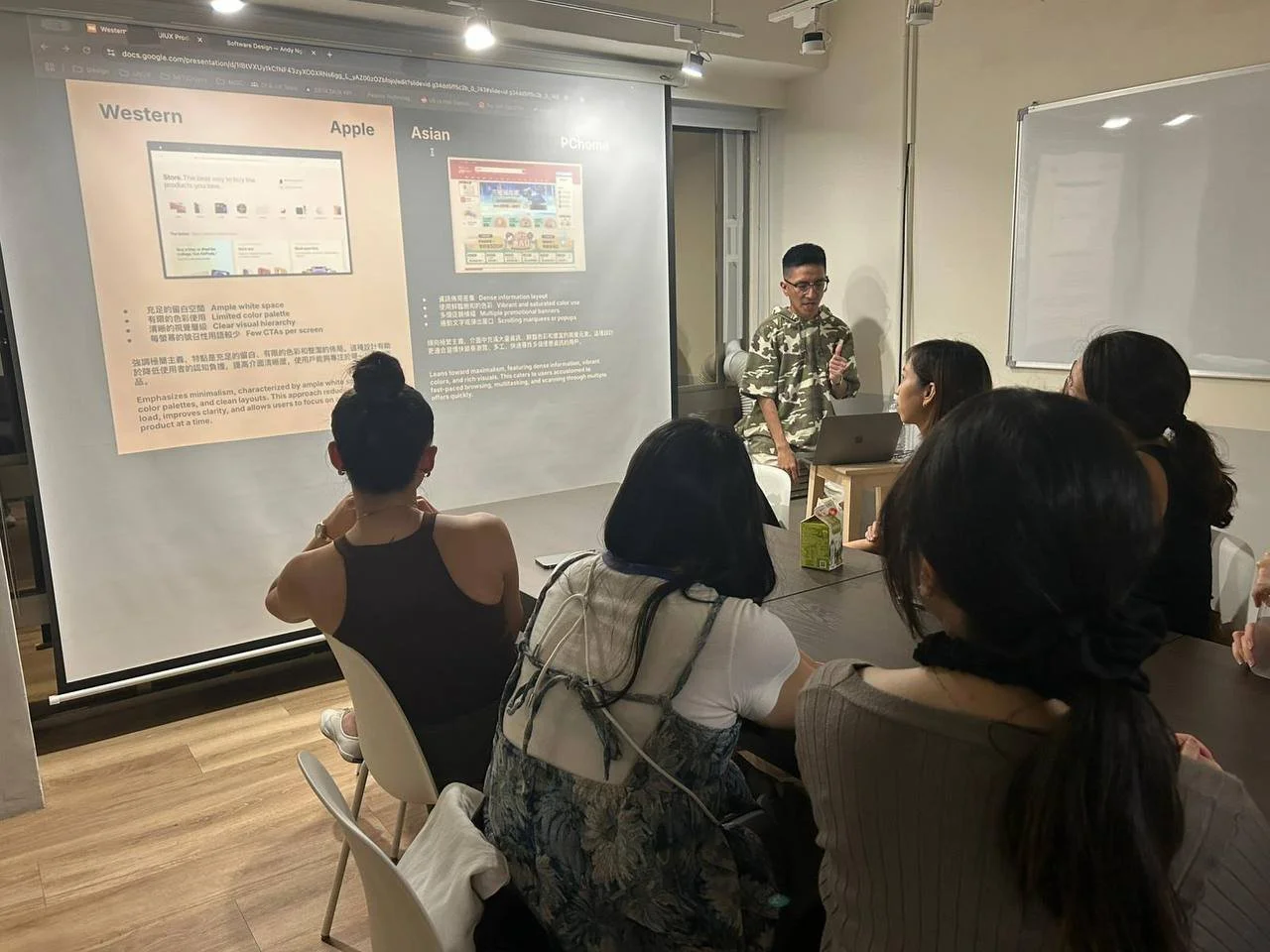
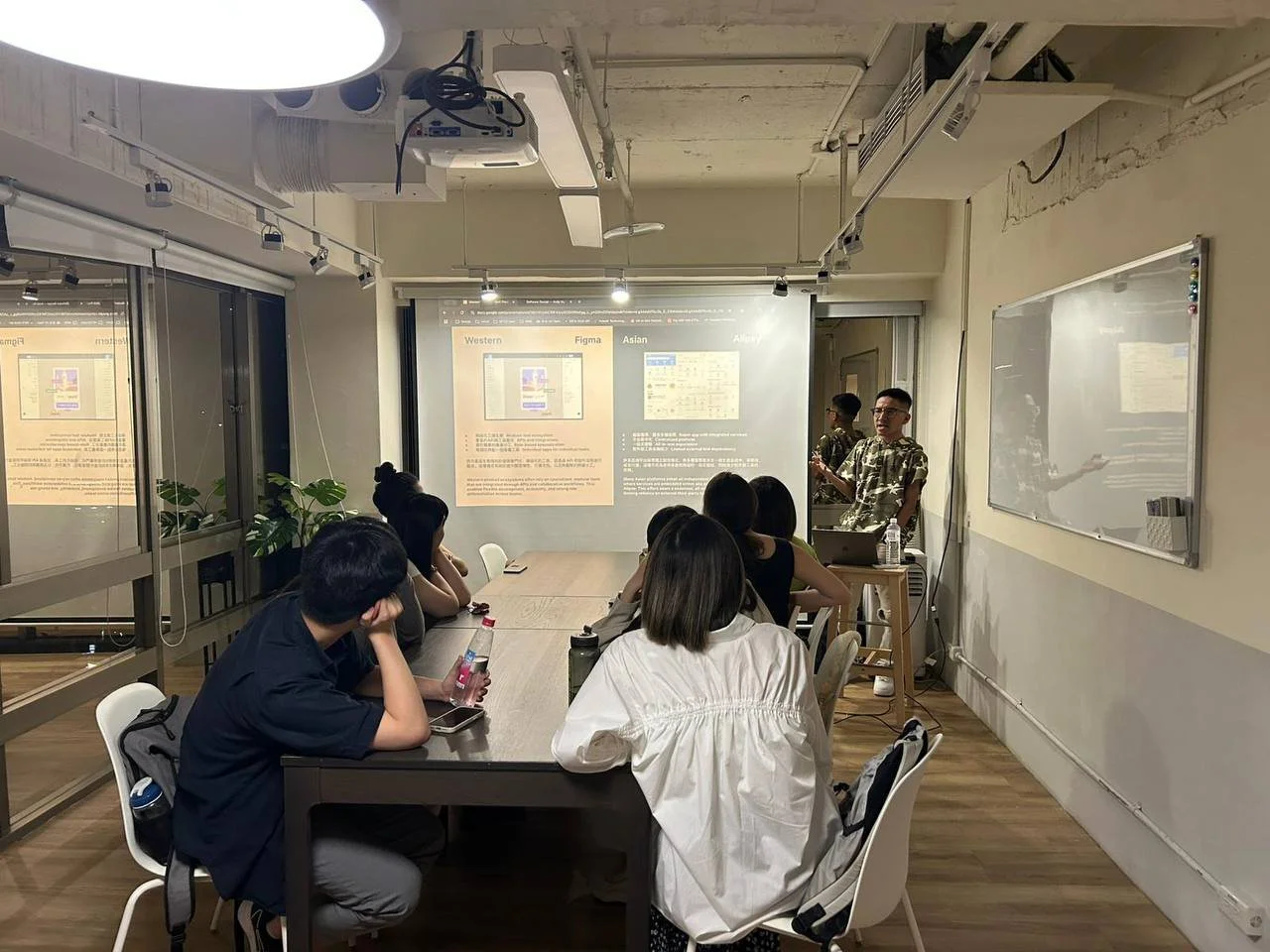
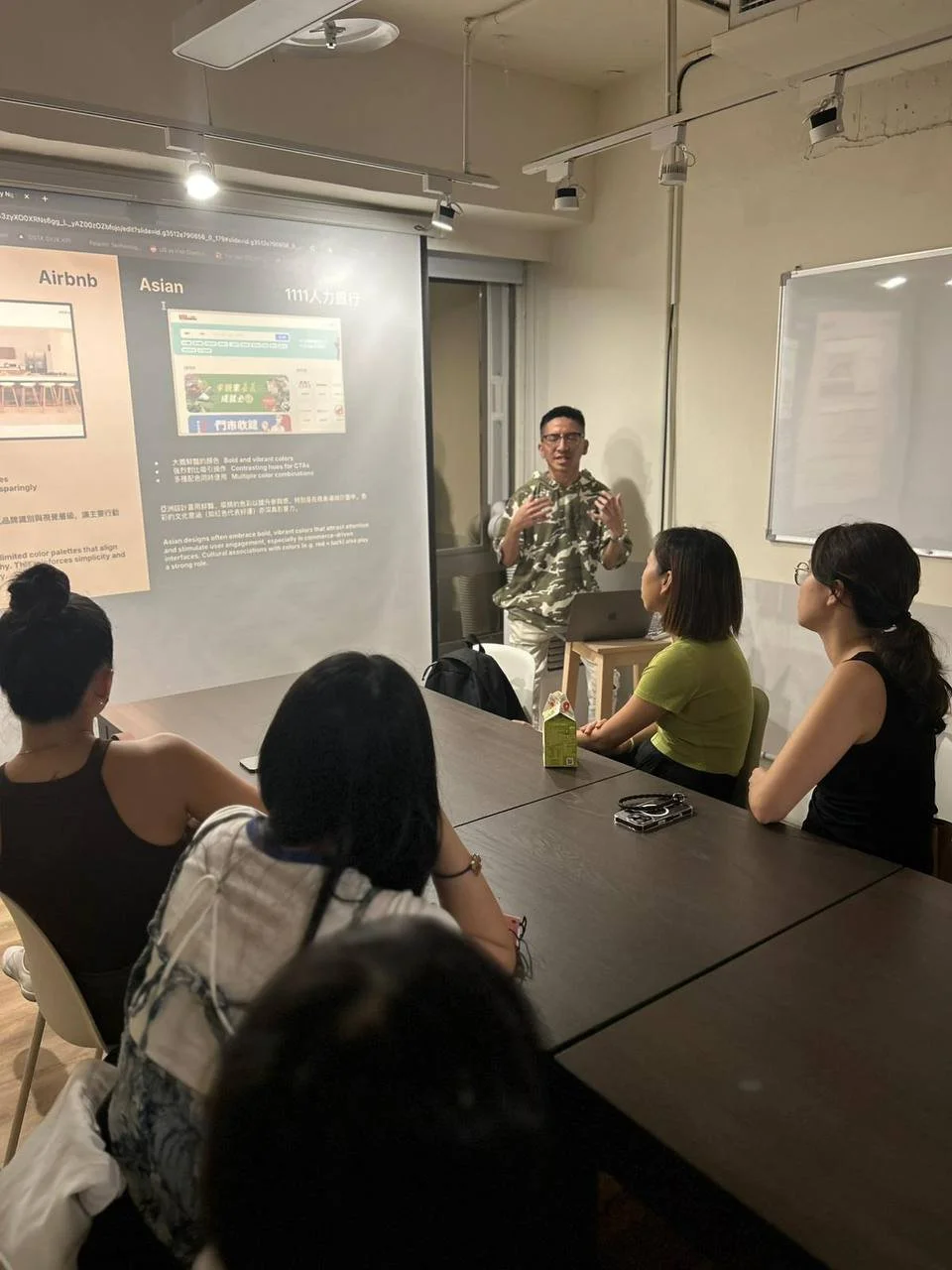
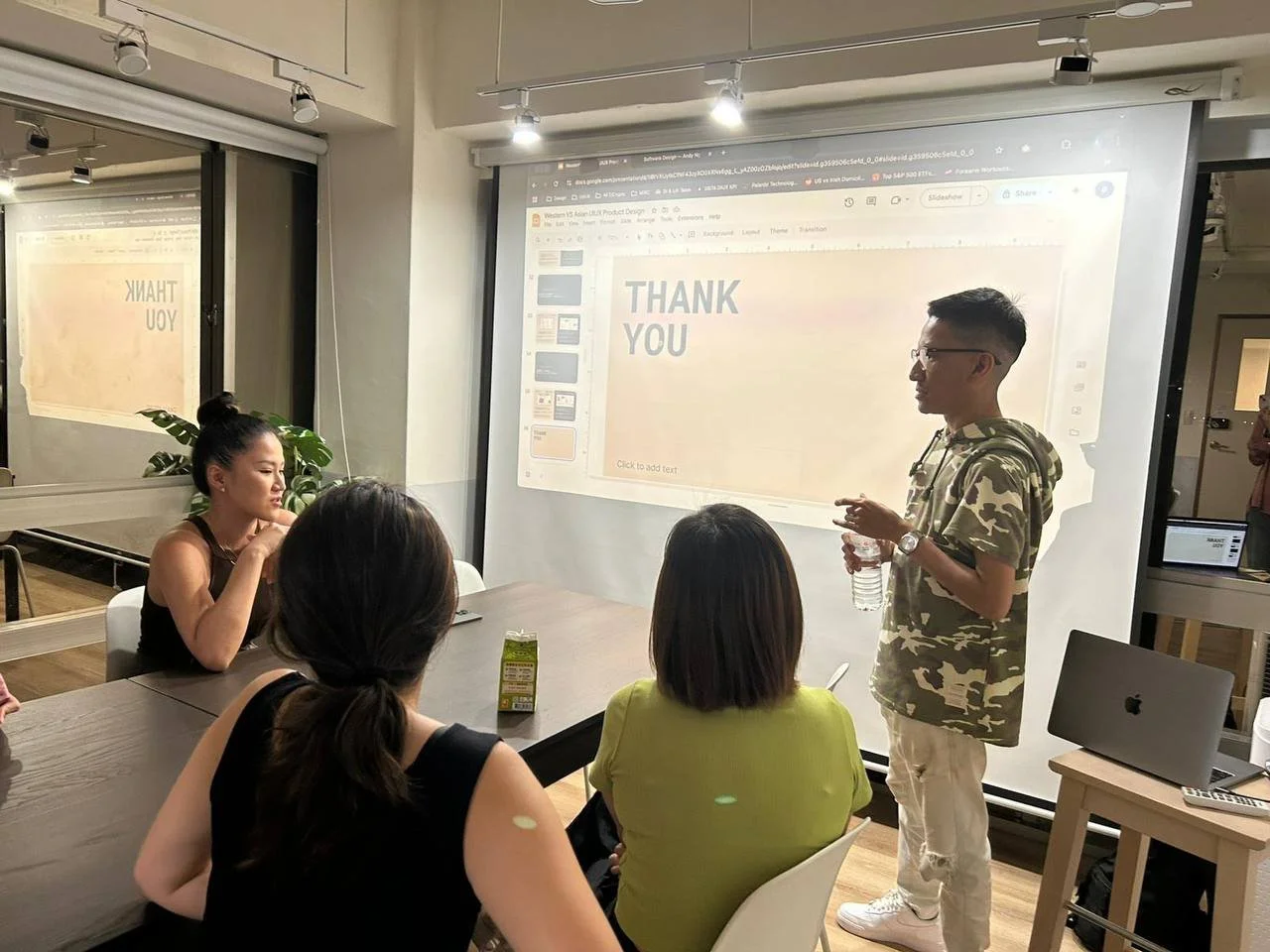
I developed and delivered a dedicated UX sharing session for the Taiwanese product community, exploring how culture, language, psychology, business models and market structures influence the way digital products are designed.
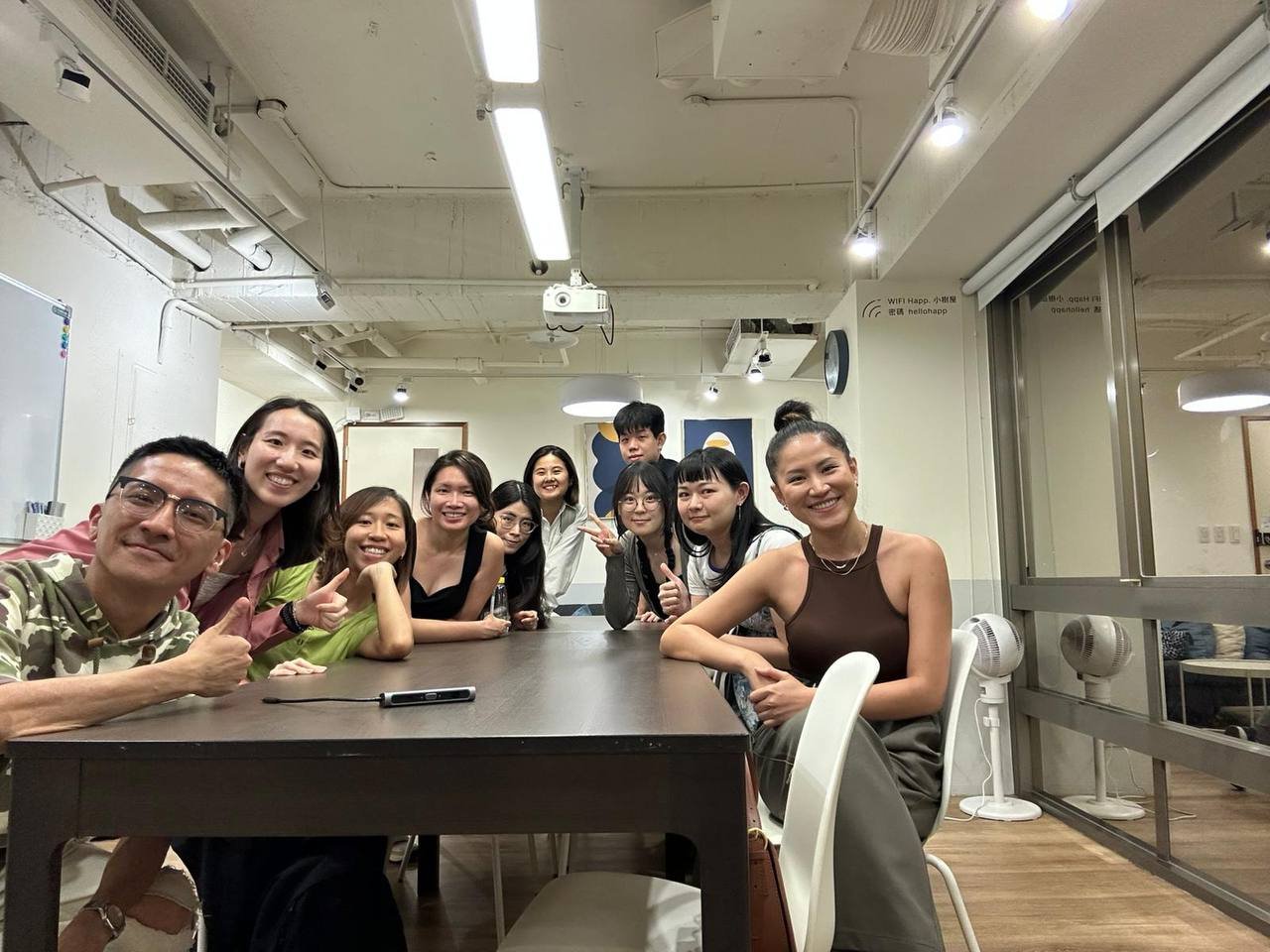
The session brought together around 10 Taiwanese product designers and product managers and was conducted bilingually in English and Chinese.
For me, this was more than a presentation. It was an opportunity to take the experience I had built across Singapore’s design landscape and bring it into an international design conversation, while learning from practitioners working within a different cultural and product ecosystem.
15 Perspectives on Western vs. Asian Product Design
How culture, language, psychology and market forces shape the products we use.
From Singapore to Taiwan
After more than a decade working across design, product and creative environments in Singapore, much of my experience had naturally been shaped by the products, businesses and users I encountered locally and within Western-influenced design practices.
Preparing for Taiwan gave me an opportunity to step outside that familiar context.
Taiwan offered a particularly interesting lens. Its digital products reflect a different combination of language, cultural expectations, consumer behaviour, monetisation models and market structures.
Rather than simply presenting my opinions, I researched the underlying reasons behind these differences and developed the session around a central question:
How much of what we consider “good design” is actually shaped by the culture we come from?
The conversation
The session explored how seemingly visual design decisions can be influenced by much deeper factors, from language and cultural context to user behaviour, business models and market structures.
We discussed why Asian and Western digital products can take such different approaches to information density, visual hierarchy, navigation, monetisation and product ecosystems.
But more importantly, the conversation challenged a fundamental assumption in product design:
Is an interface truly intuitive, or is it simply intuitive to people who share the designer’s cultural context?
This became an opportunity for everyone in the room to reflect on how our own cultural backgrounds influence the way we design, interpret and interact with digital products.
I documented the research and ideas from the session in a longer-form article, exploring 15 differences between Western and Asian product design and the cultural psychology behind them.
Designing beyond familiar contexts
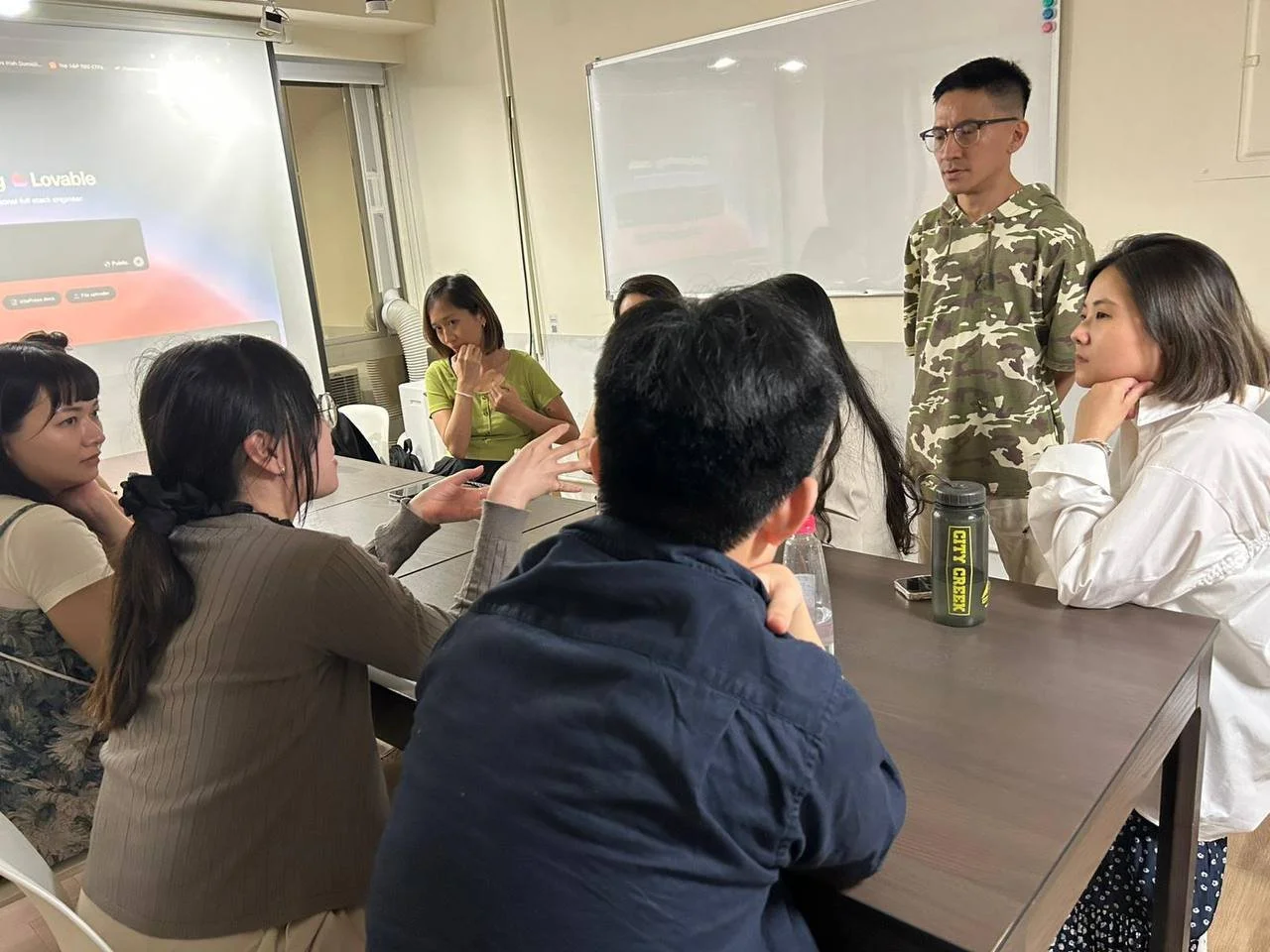
The most valuable part of the experience wasn’t the presentation itself. It was the conversation that followed.
Being able to exchange perspectives directly with Taiwanese product designers and product managers gave me the opportunity to test my own assumptions against people who experience the digital landscape differently from me.
It reminded me that design leadership isn’t only about having answers.
It is also about creating conversations that allow different perspectives to meet.
Working across cultures forces us to question what we might otherwise consider universal truths in design. It encourages us to look beyond familiar patterns, challenge our assumptions and develop a more nuanced understanding of how people interact with technology.
Expanding my design perspective
This experience marked an important step in how I think about my role as a designer and leader.
My experience began within Singapore’s design landscape, working across agencies, brands, industries and complex digital products. But design does not stop at geographical boundaries.
By engaging with practitioners internationally, I can bring perspectives from Singapore into broader design conversations while bringing new ideas and ways of thinking back into my own practice.
For me, international design leadership is not about presenting myself as an authority in another market.
It is about connecting perspectives, sharing knowledge and continuously expanding the lens through which I understand design.
The more design communities I engage with, the more I realise that some of the most valuable insights come from stepping outside the environment we already understand.
From local experience to global perspective.
That is the direction I want my design leadership to continue moving towards.