
Rethinking Design Talent and Role in the Age of AI
Contributing a design perspective to Singapore’s AI and talent conversation. Redefining the role of designers in the age of AI.
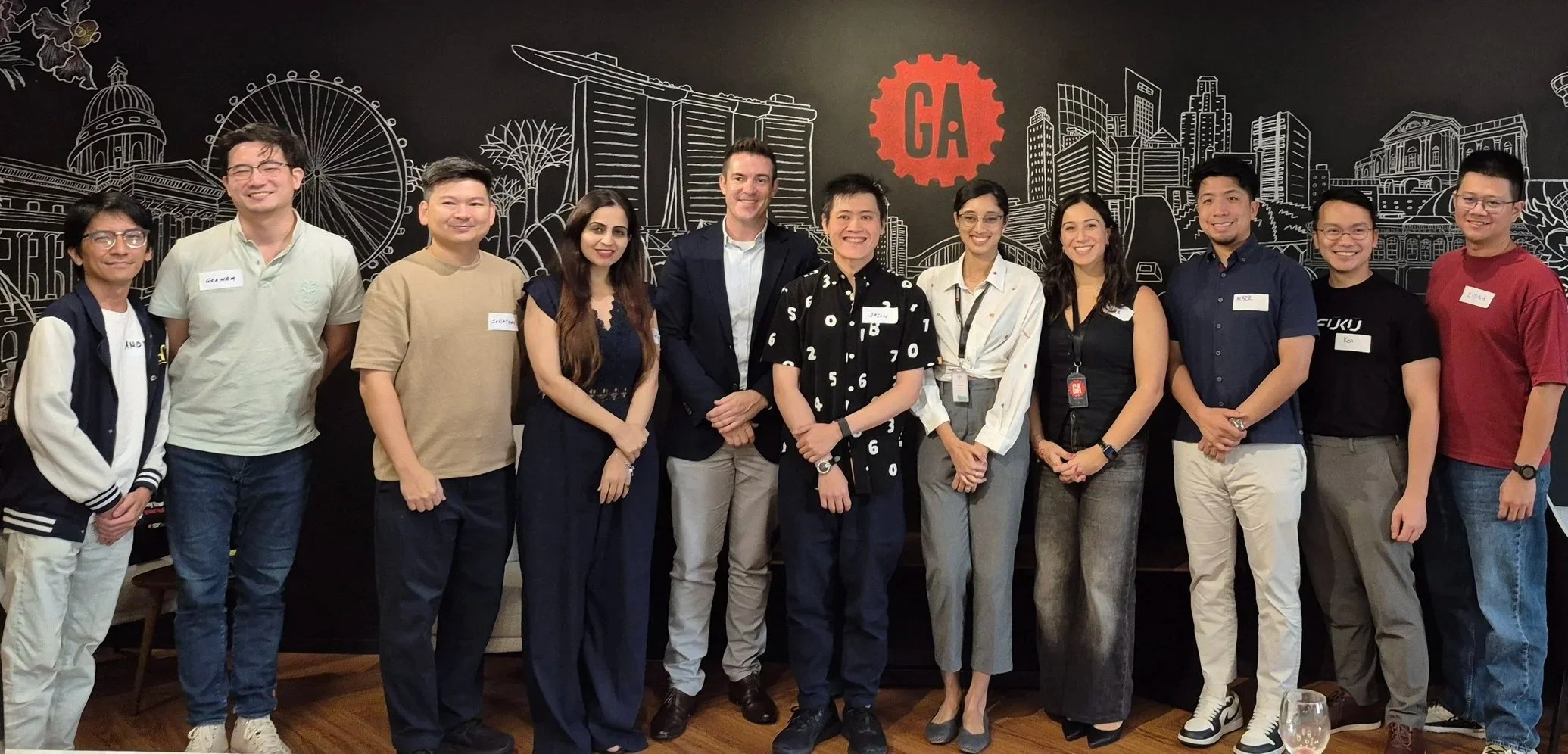
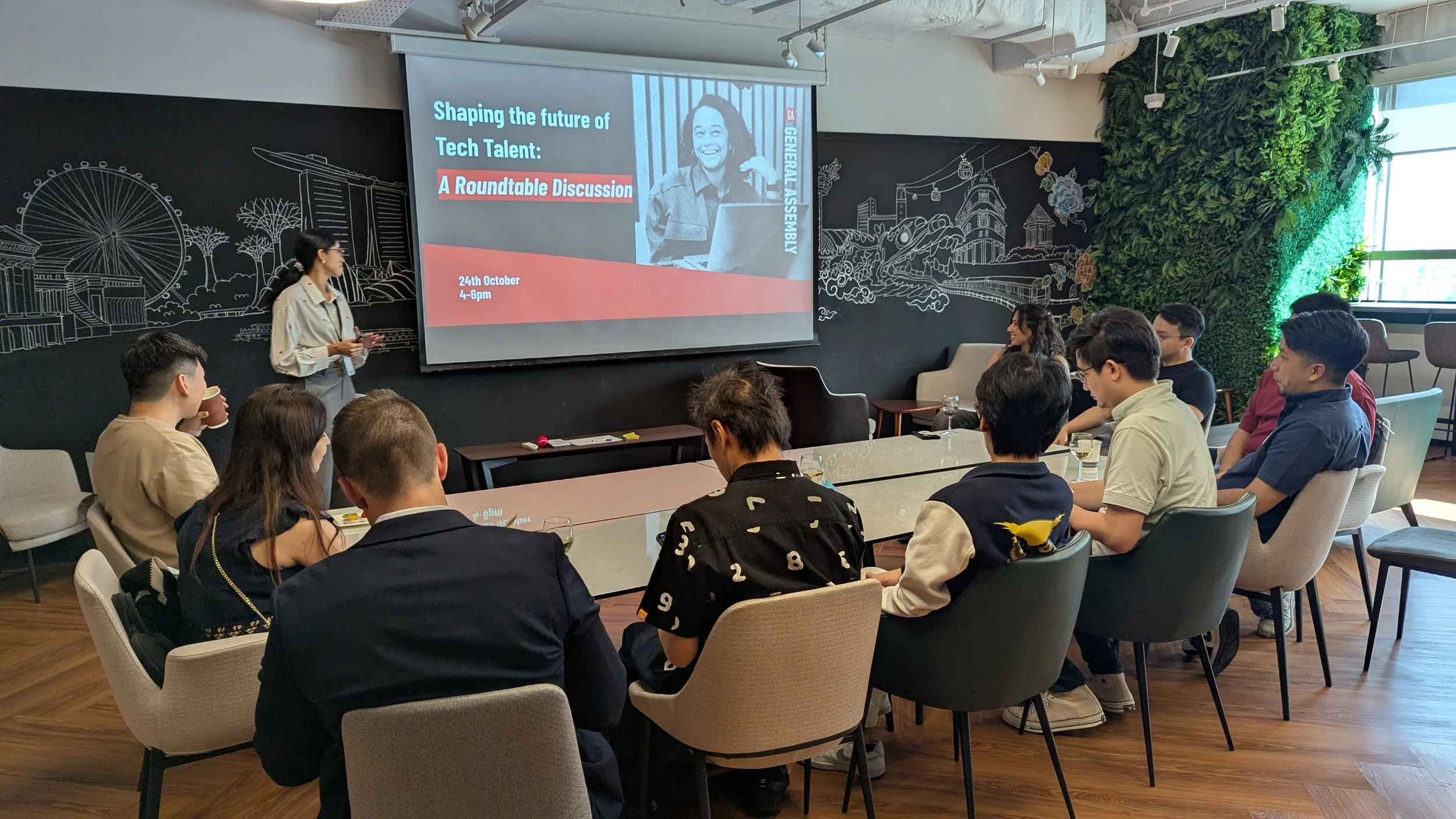
I was invited by General Assembly to join a private roundtable exploring the evolving intersection of AI, education and the job market. The discussion brought together nine industry practitioners across product, design, engineering, AI, education, recruitment and business.
I participated as a design and product practitioner, contributing my perspective on how AI is changing the role of designers and the skills needed for the future of creative work.
As AI continues to reshape how we work, learn and create, the conversation is moving beyond “What can AI do?” towards a more important question:
“What should humans be doing differently because AI can now do more?”
AI as a creative partner, not a replacement
One of the perspectives I brought to the conversation was a simple belief:
AI should be a creative partner, not a replacement for designers.
Throughout my career, like many designers, a significant amount of time has gone into execution: pushing pixels, creating variations, preparing assets and turning ideas into production-ready work.
I often think back to the principle famously attributed to Thomas Edison:
99% perspiration, 1% inspiration.
AI has the potential to change that balance.
Instead of spending most of our time executing ideas, we can use AI to accelerate the execution and spend more time exploring, questioning, experimenting and solving bigger problems.
The opportunity isn’t simply to make designers faster.
It is to give designers more time to think.
AI literacy goes beyond prompting
A key theme we aligned on during the discussion was that AI literacy is becoming essential.
But AI literacy isn’t simply knowing how to use AI tools or write better prompts.
It also requires understanding:
Context. Knowing how to provide the right information and direction.
Critical thinking. Knowing when to trust, challenge or validate AI outputs.
Ethics. Understanding bias, privacy, intellectual property and responsible use.
Human connection. Recognising where empathy, judgement and creativity remain uniquely human.
For me, the distinction is important:
AI literacy isn’t just about becoming better at using AI. It’s about becoming better at working with AI.
Learning beyond design
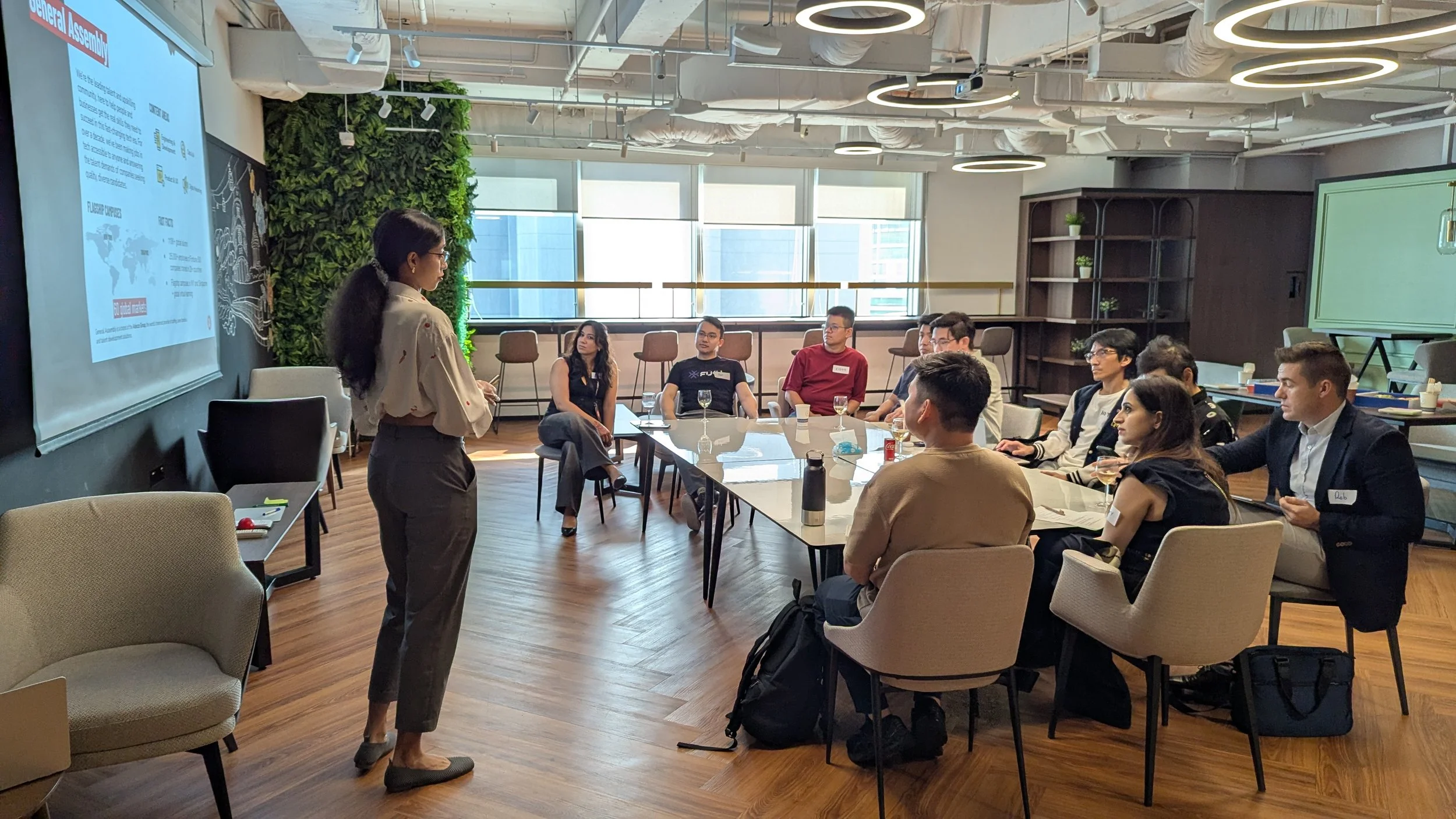
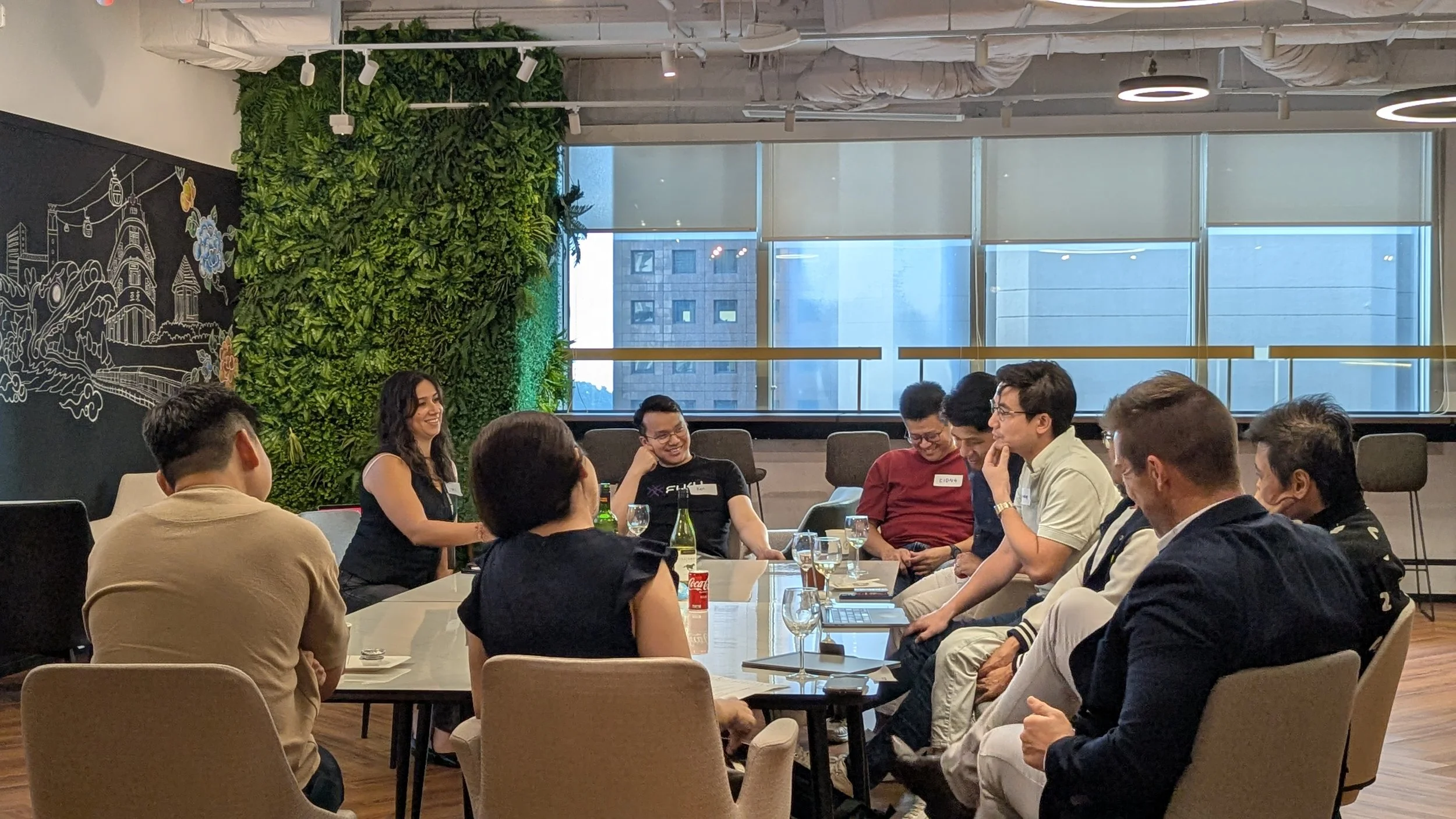
What made the conversation particularly valuable was the diversity of perspectives around the table.
Hearing from leaders across engineering, recruitment, education, AI, product and business challenged me to look beyond the traditional boundaries of design.
It reinforced my belief that the future of design will not be shaped by designers alone. It will be shaped by how we collaborate across disciplines and use technology to amplify human capability.
For me, leadership isn’t always about leading the room.
Sometimes it is about bringing a perspective that challenges assumptions, connecting ideas across disciplines and contributing to a conversation that shapes what comes next.
Being invited to this roundtable gave me the opportunity to do exactly that, while continuing to develop my own perspective on how AI can help designers move from simply executing work to thinking, creating and solving at a higher level.