
Shaping Singapore’s Defence Design Community
All images featured on this page are the property of the Defence Science and Technology Agency (DSTA). The images have been reviewed, vetted, endorsed and approved by the appropriate DSTA security authorities for external publication.
All content presented on this page has been shared for portfolio purposes and is not intended to disclose classified, sensitive or restricted information.
Driving UX beyond products, into systems, communities, design leadership, and national impact.
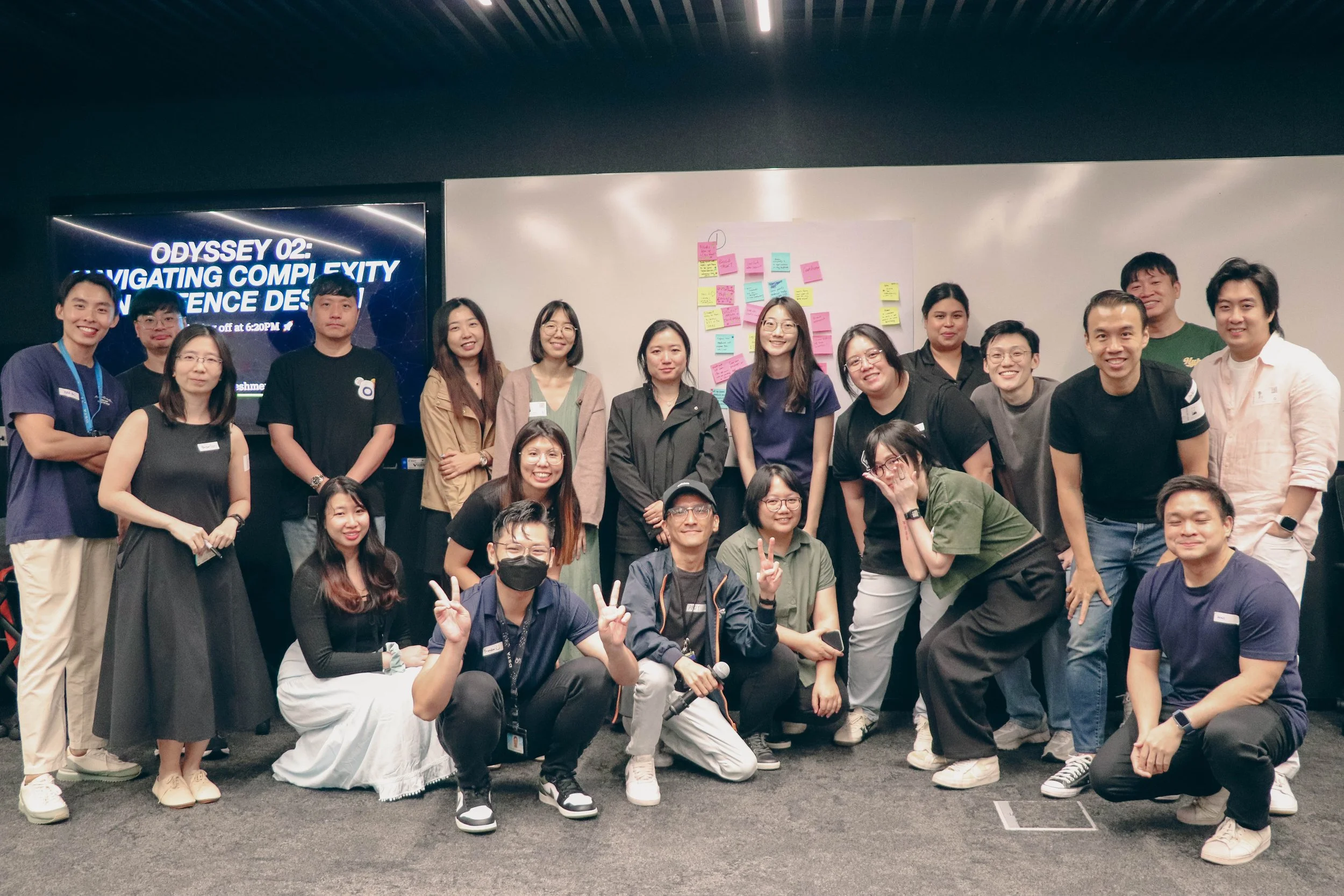
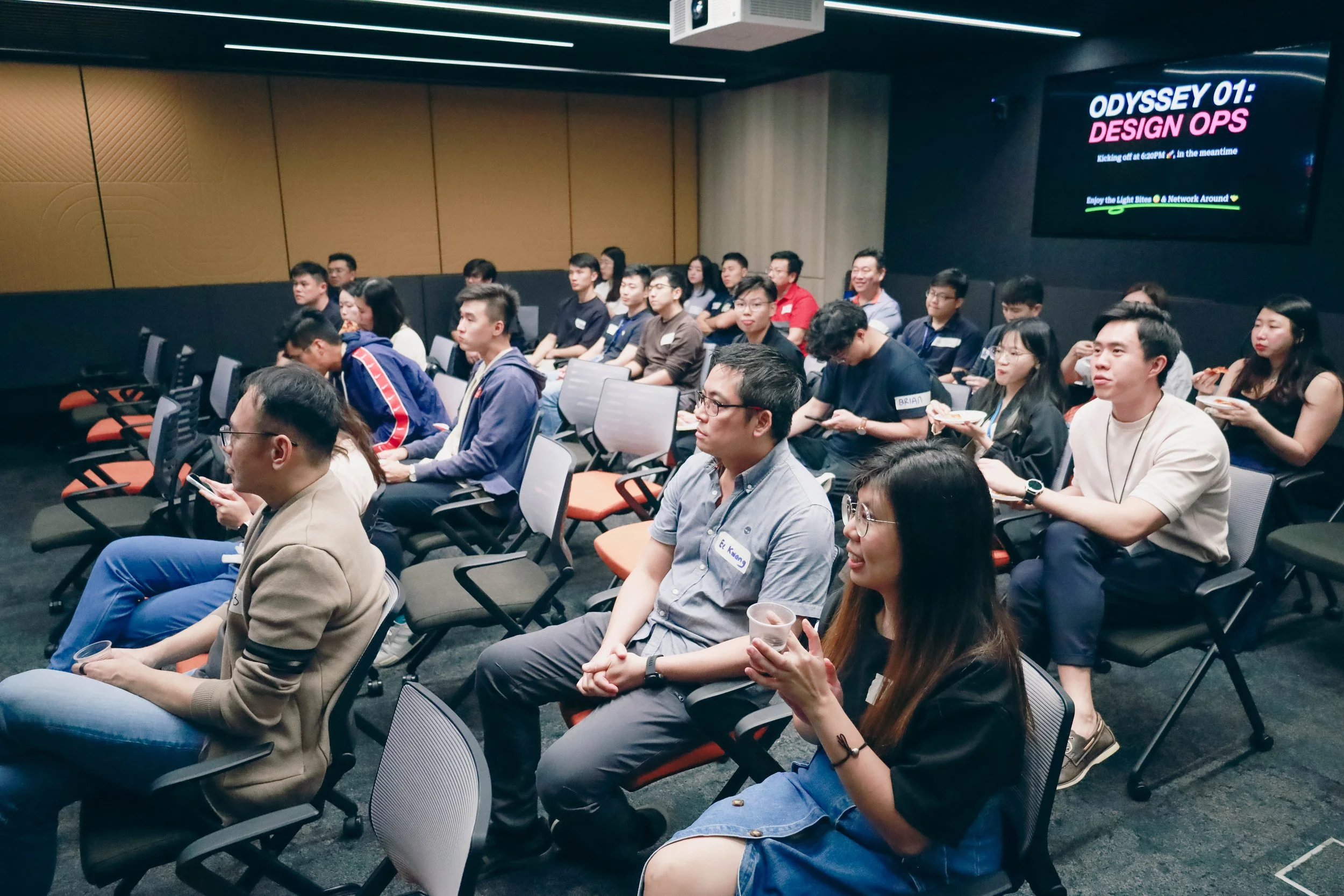
I co-founded with Zenas and launched what became Singapore’s first Defence Design Community, a focused community within the broader Defence Technology Community (DTC) for UX designers, product managers and other practitioners working in design and product development across defence and security agencies.
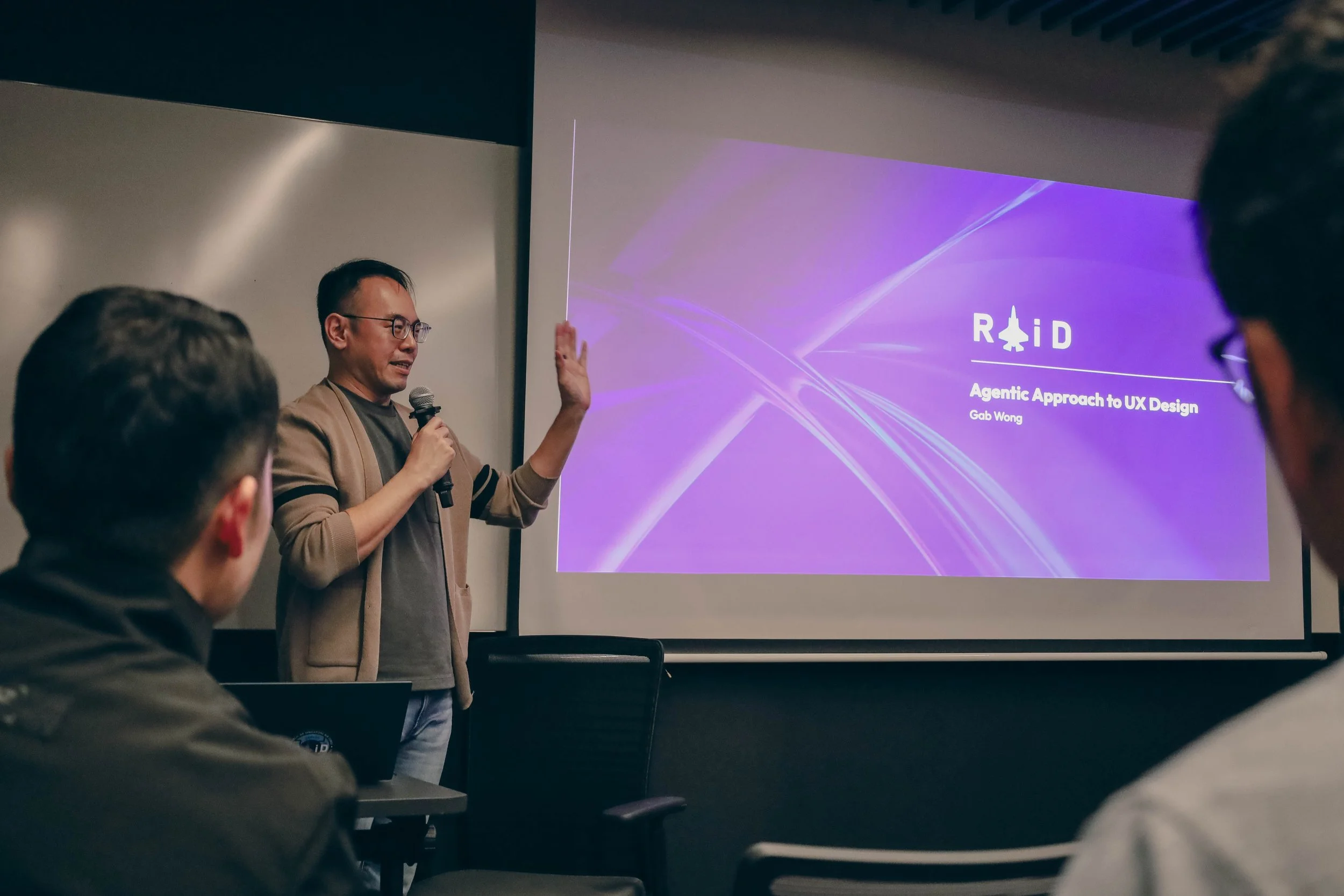
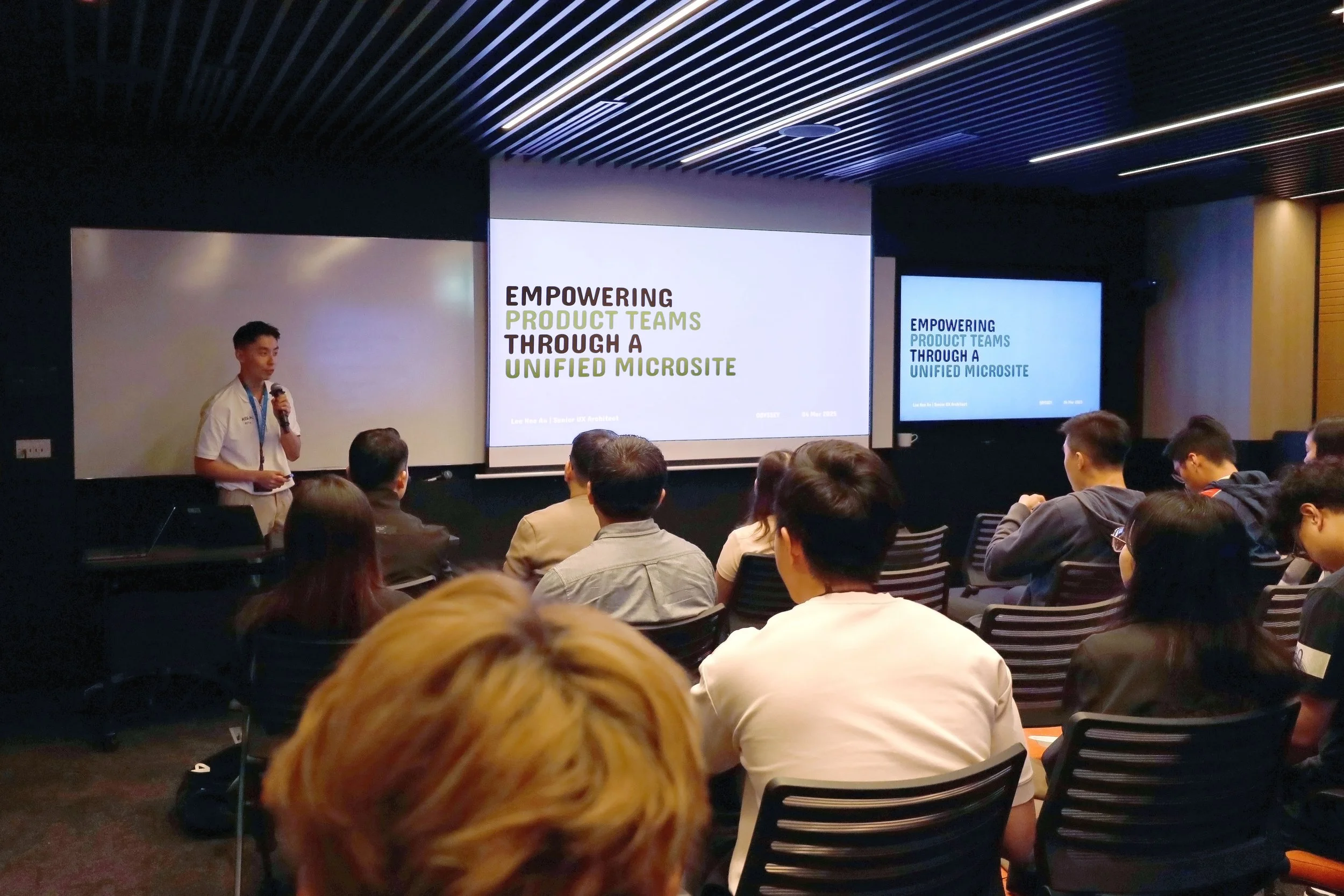
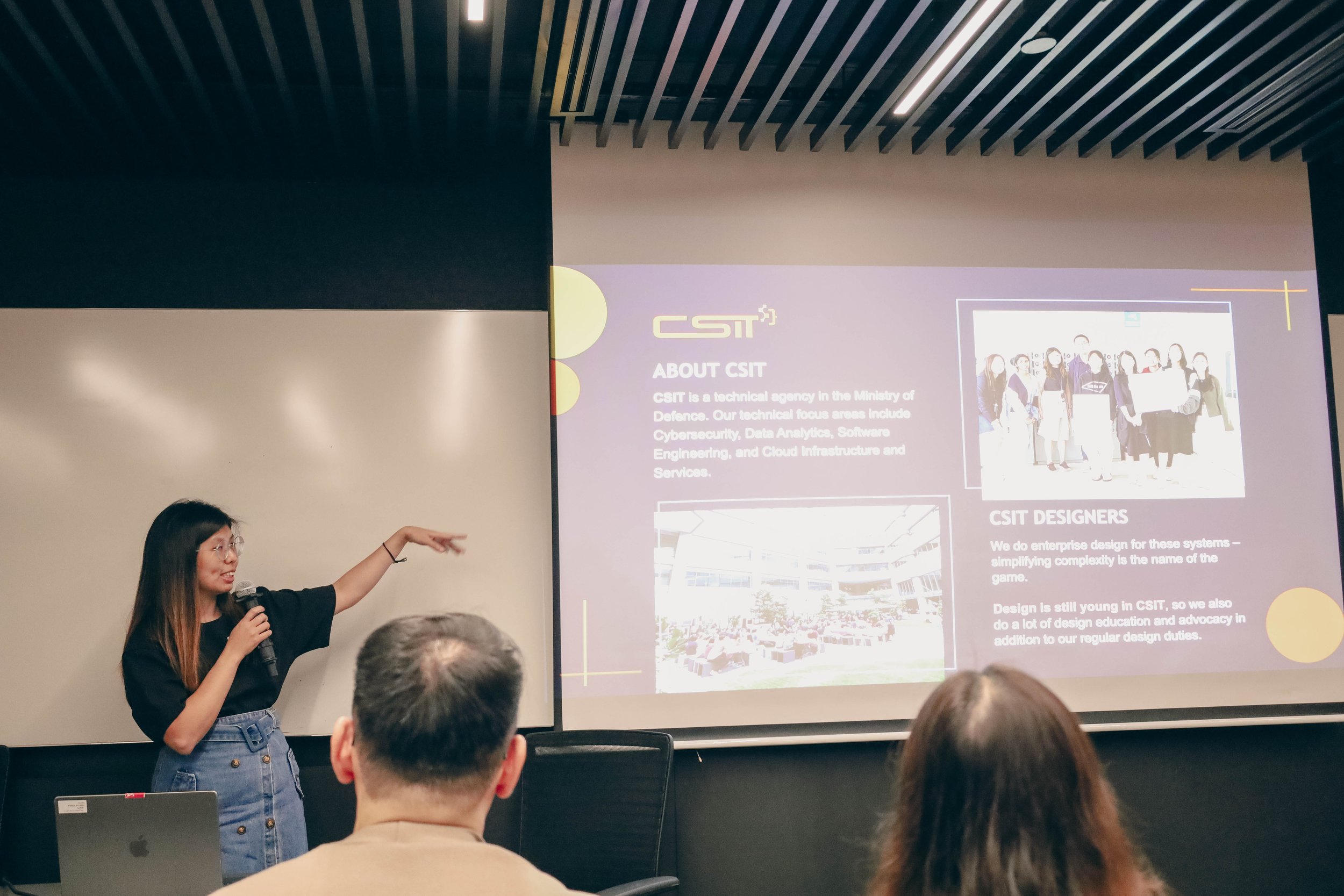
The community brought together practitioners across 7 defence and security agencies, including DSTA, HTX, CSIT, RAiD, MINDEF, DOTC and DSO.
As part of Design Operations, I focused on extending the impact of UX beyond individual products and teams by building relationships across the defence technology ecosystem, creating opportunities for cross-agency collaboration, and strengthening the design community.
While the community was co-founded with Zenas, I took on the primary responsibility for driving its strategy and operations, with Zenas providing guidance and support. I led the initiative end to end, from identifying opportunities for collaboration and defining session themes, to engaging agencies, coordinating speakers, designing workshops and facilitating discussions.
My role was ultimately about creating the conditions for practitioners to learn from one another, challenge existing practices and build stronger connections across an ecosystem where knowledge is often difficult to access.
My role
My work sat at the intersection of Design Operations, Strategy, Leadership and Partnerships.
I was responsible for:
External strategy — identifying opportunities to extend the influence of design beyond individual products and teams.
Cross-agency collaboration — connecting practitioners across defence and security agencies around shared challenges.
Community building — establishing and growing an ongoing network for designers and product practitioners.
Partnership development — building relationships with practitioners and leaders across agencies and bringing the right people into the conversation.
Programme strategy — identifying relevant topics and designing sessions around meaningful challenges within the defence technology ecosystem.
End-to-end execution — managing engagement, speakers, session structure, workshops, facilitation and follow-up.
Leadership & facilitation — creating an environment where different organisations could openly exchange perspectives and collaboratively develop solutions.
Continuity planning — creating a sustainable programme that could be handed over and continued after my departure.
Ultimately, my role was about connecting people, ideas and organisations that would otherwise operate independently.
I saw Design Operations not simply as improving how designers work within an organisation, but as creating the relationships, structures and communities that allow design to have a broader impact.
Impact at a glance
7
Defence & security agencies connected
80+
Practitioners in the community channel
2
Cross-agency sessions led
3
Additional sessions planned for handover
10+ → 80+
Community growth from its initial group to an active practitioner network
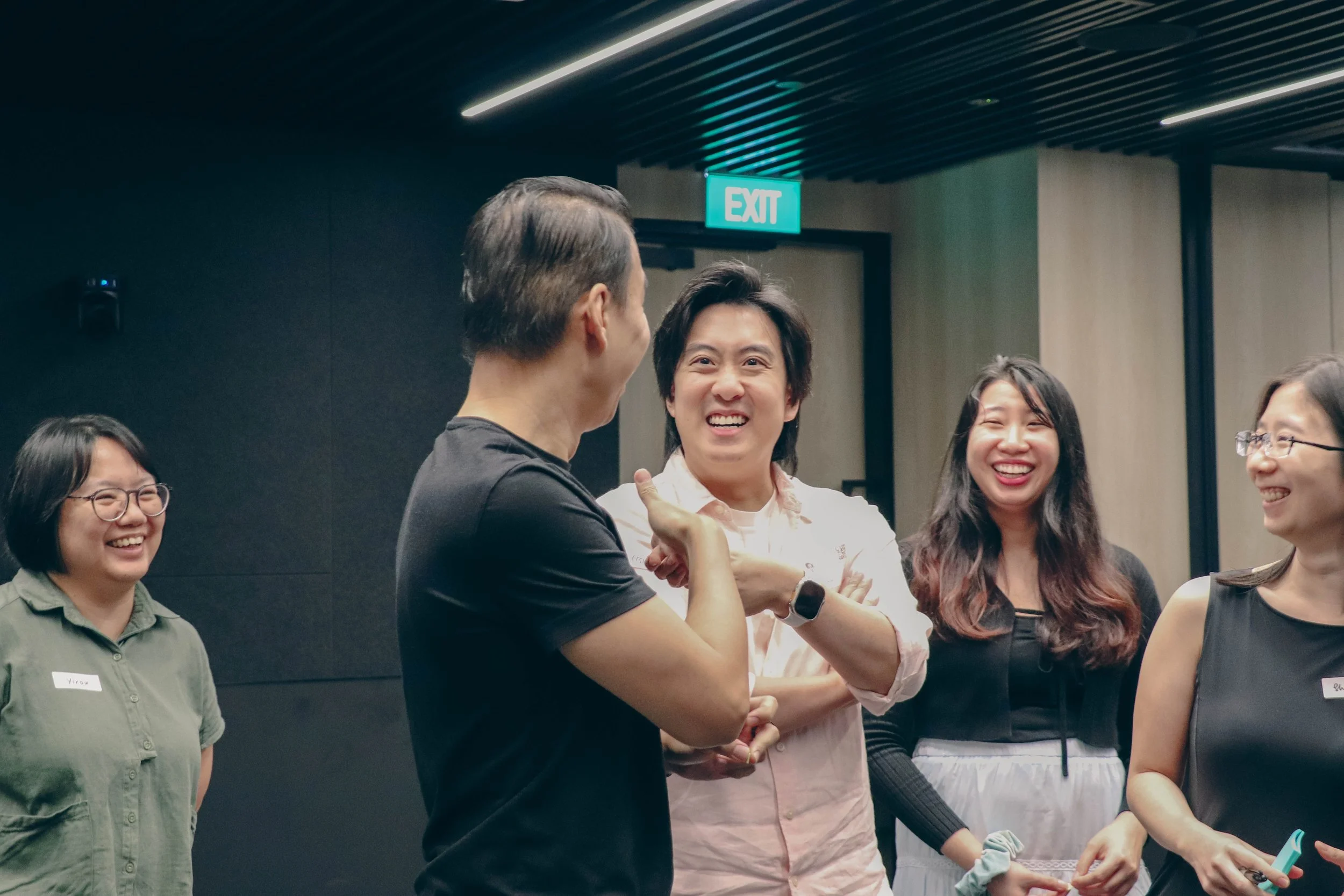
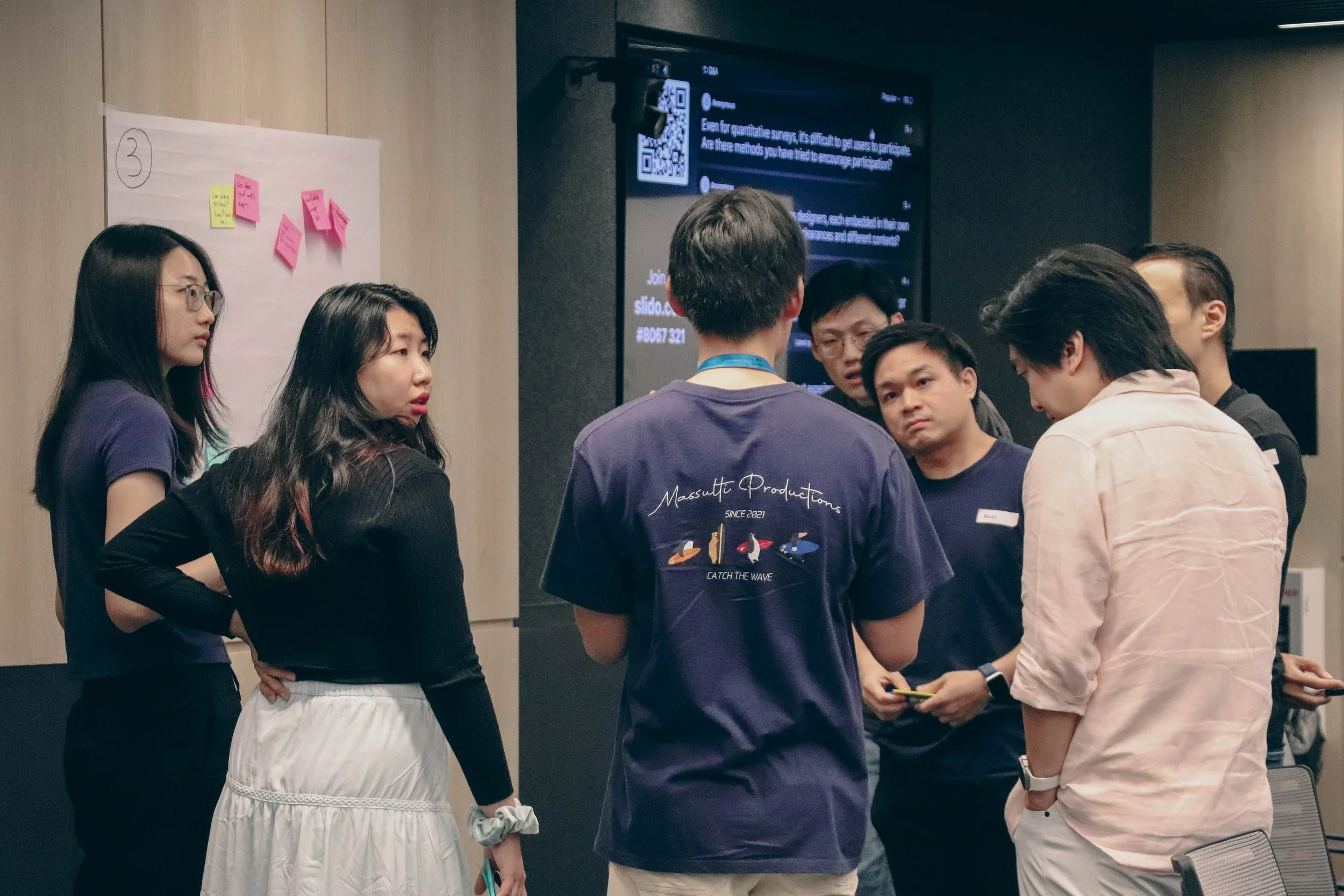
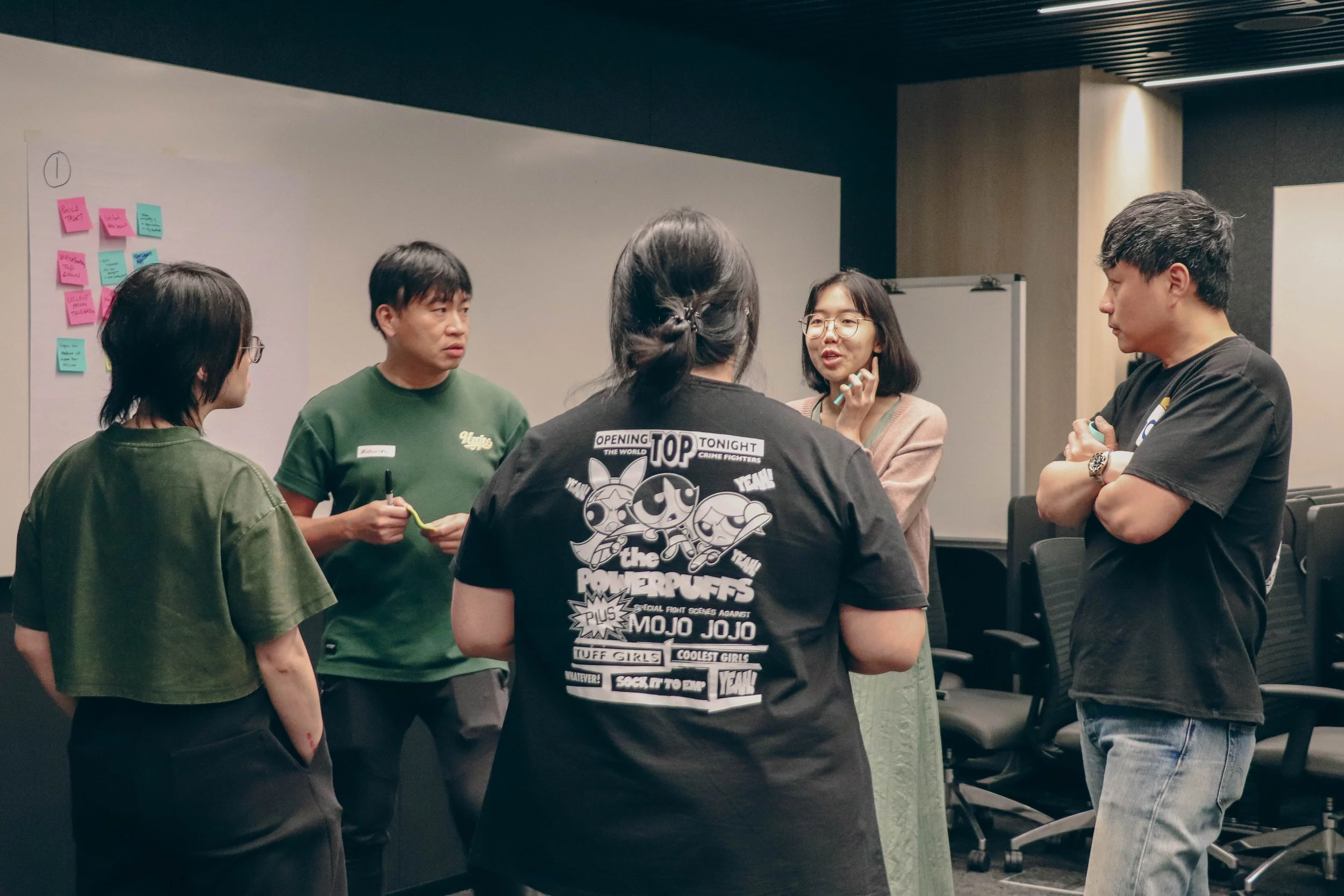
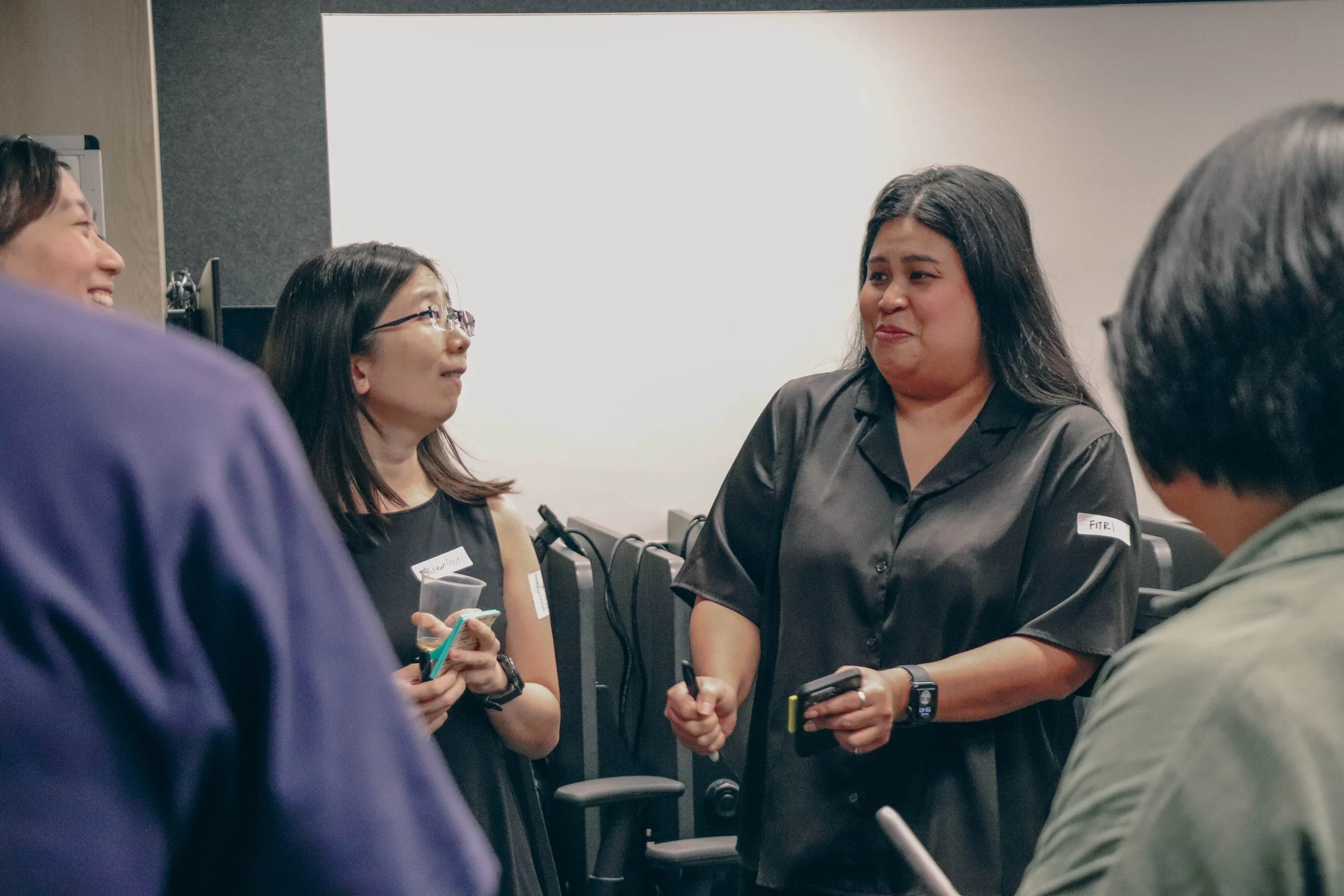
Building cross-agency collaboration
Designing products in defence technology comes with a unique challenge. Much of the work is highly specialised, and practitioners often cannot rely on publicly available case studies, communities or resources in the same way that designers in commercial industries can.
I saw an opportunity to create a space where practitioners could learn directly from one another.
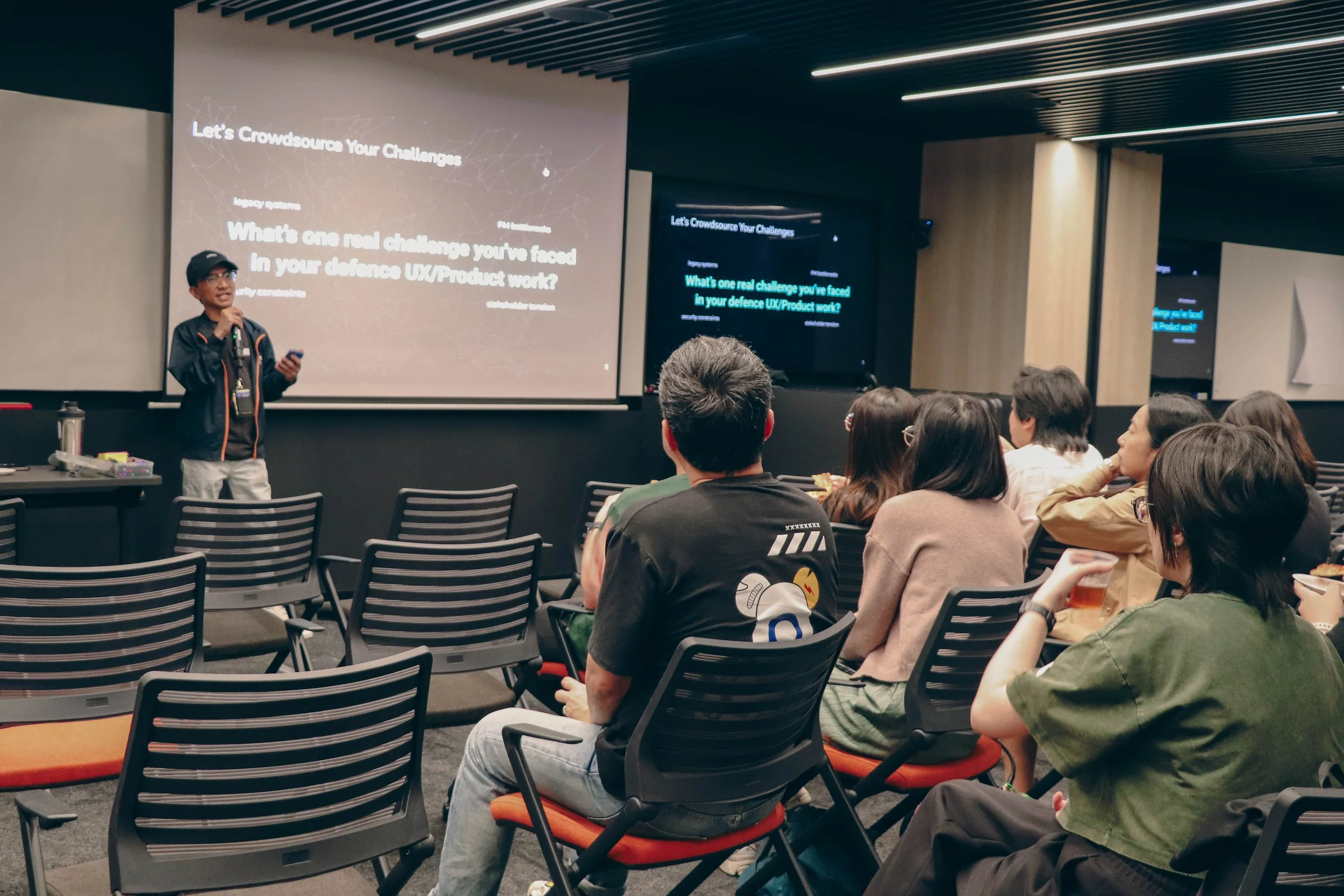
For each session, I identified a topic relevant to the wider design and product community, such as design systems and the challenges of applying them within defence technology. I then engaged practitioners from different agencies to share how their organisations approached the topic, giving each agency an opportunity to contribute its own experience and perspective.
This created a platform for practitioners to see how similar challenges were being approached across different organisations, rather than solving the same problems in isolation.
From knowledge sharing to collective problem solving
The sessions were designed to go beyond presentations.
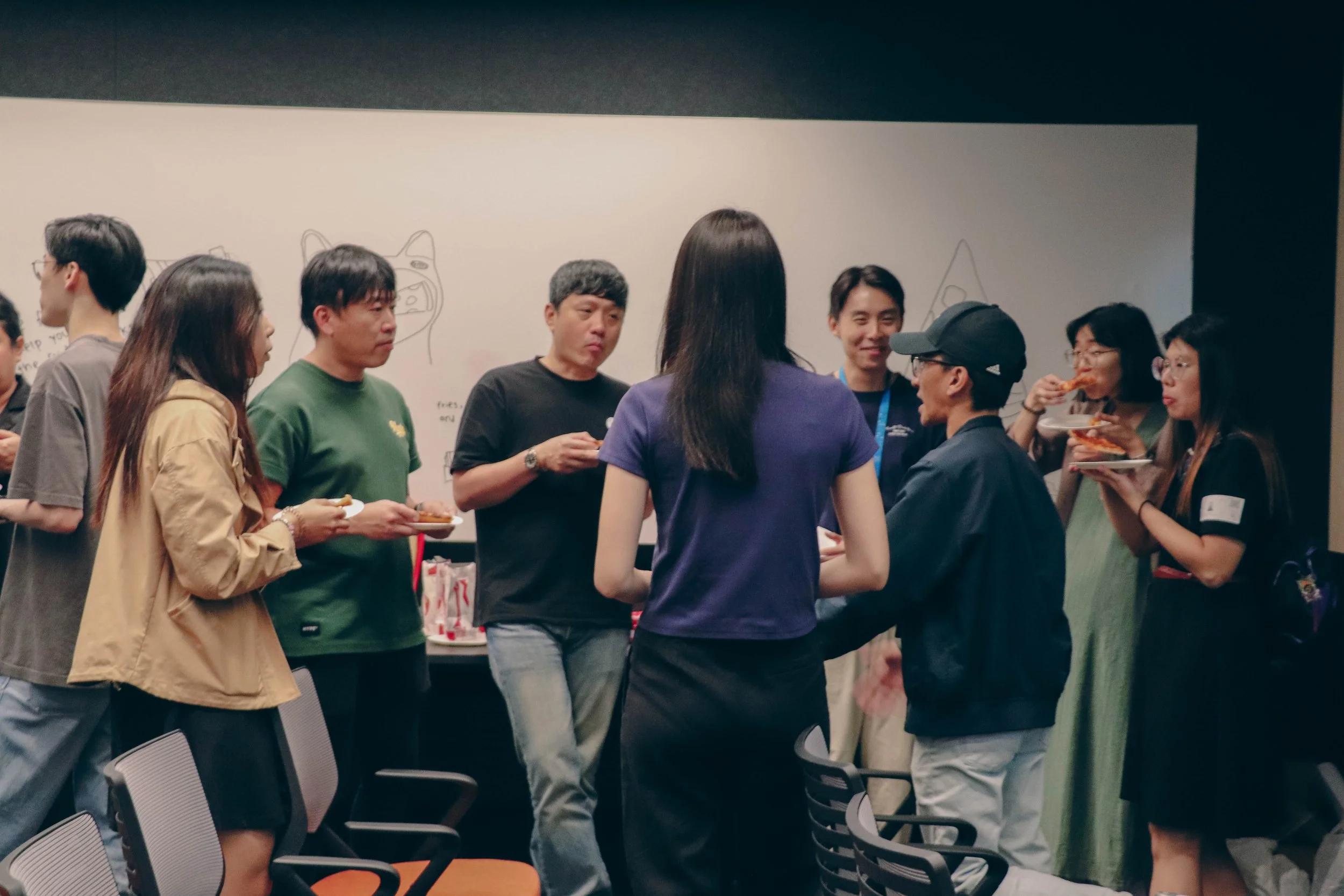
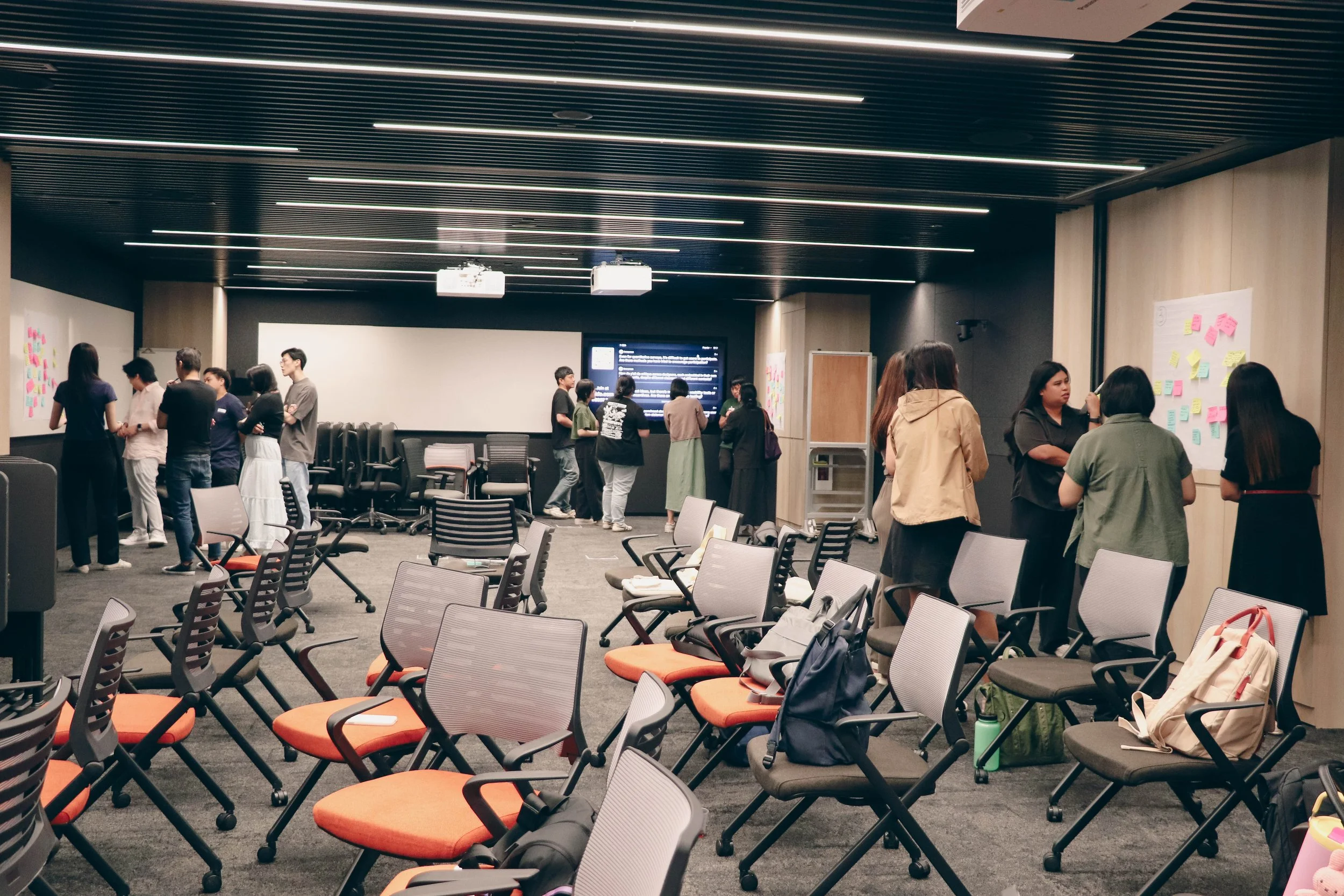
After the knowledge-sharing segment, I facilitated collaborative workshops where participants were intentionally mixed across agencies. Each group included representatives from different organisations, creating an opportunity for practitioners who might otherwise never work together to tackle a shared challenge.
Groups would discuss common problems within the defence technology design space, develop potential approaches and present their ideas back to the wider community.
This format shifted the conversation from:
“This is how my organisation does it.”
to:
“How can we solve this together?”
As the facilitator, I was responsible for shaping the discussion, creating the structure for collaboration and ensuring that different perspectives were brought into the conversation.
The goal was not to establish a single way of working, but to create a space where practitioners could compare approaches, learn from one another and collectively raise the standard of design across the ecosystem.
Building a community beyond the events
I wanted the community to continue beyond the sessions themselves.
To support ongoing communication, I created a dedicated Telegram group for practitioners within the Defence Technology Community. What started with just 10+ members grew to more than 80 practitioners, creating an informal channel for people to share resources, discuss industry topics, ask for advice and continue conversations from the sessions.
This became particularly valuable because defence technology operates within a highly confidential environment. Many of the challenges practitioners face cannot simply be searched online, discussed openly or solved by relying on generic design resources and AI tools.
The community provided something different: access to people who understood the context.
Practitioners could ask questions, seek advice from others facing similar challenges and feel less isolated when navigating problems unique to defence technology.
Leading beyond the organisation
Although I only had the opportunity to run two formal community sessions before moving on from the defence technology industry, I designed the initiative with continuity in mind.
Rather than leaving behind a one-off event, I developed and pre-planned three additional sessions for my colleague to take over and continue the community.
This reflected how I approached the initiative from the beginning: not simply as an event series, but as an ecosystem-building effort that could continue beyond my individual involvement.
My contribution was therefore not just organising sessions. It was establishing the strategy, operating model and relationships needed for a community to grow and sustain itself.